The New Tastemakers: When Readers Became Marketers
The era of relying solely on established literary critics for book recommendations is over. Bookstagram, a vibrant subculture on Instagram, has cultivated a new class of influencer: the everyday reader turned digital tastemaker. What started as a simple way to share photos of books has morphed into a powerful economic and cultural force. This ecosystem operates on a unique blend of personal passion and savvy marketing, fundamentally changing how books are discovered, discussed, and sold. It’s a world where the aesthetic appeal of a cover can generate as much buzz as a glowing review from a legacy publication.
The Anatomy of Influence: Building a Digital Bookshelf
Influence within the Bookstagram economy is not granted; it’s built post by post. Creators cultivate dedicated followings by establishing a distinct brand, which is a combination of their reading tastes, photographic style, and review philosophy. This digital identity is the foundation of their influence.
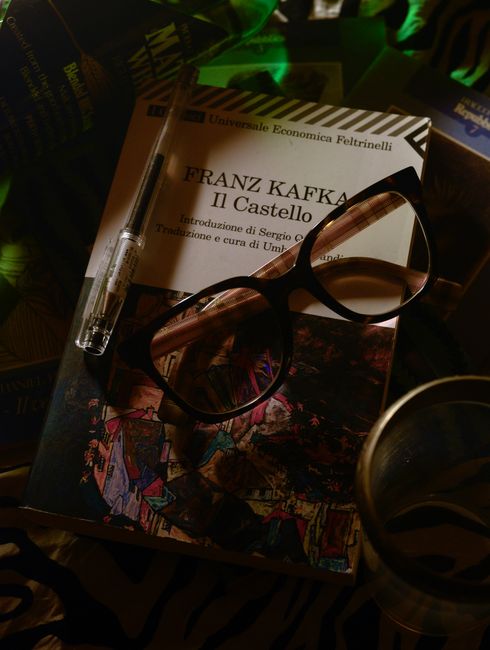
- The Curated Grid: A creator’s profile is their storefront. Posts often adhere to a specific color palette or mood, creating a cohesive visual brand. This might involve minimalist aesthetics, cozy autumnal themes, or bright, colorful arrangements, all designed to attract a target audience of like-minded readers.
- The Review as Conversation: Unlike formal critiques, Bookstagram reviews prioritize relatability and emotional response. Captions often end with a question, such as “What’s the last book that made you cry?” This transforms a passive review into an active conversation, generating engagement that is highly valued by the platform’s algorithm.
- The “Book Haul”: A popular content format involves creators showcasing their recent book purchases. While exciting for followers, this trend highlights the ecosystem’s strong consumerist undercurrent, where acquiring books becomes as important as reading them.
The Supply Chain of Hype: How a Book Goes Viral
The publishing industry has not just taken notice of Bookstagram; it has integrated it into its core marketing strategy. A sophisticated, often invisible, supply chain now exists to generate pre-publication excitement and drive sales.
Taking the next step becomes straightforward when you have the right support — Heal your past, design your future is worth exploring.

Taking the next step becomes straightforward when you have the right support — Become an Ultimate Master of your life is worth exploring.
From Publisher to Influencer: The Role of the ARC
The process often begins months before a book’s release. Publishers identify Bookstagrammers whose audience aligns with a new title and send them Advance Reader Copies (ARCs). This strategic distribution serves several purposes:
- It generates early reviews and social media mentions, building anticipation.
- It provides publishers with authentic, user-generated content they can reshare.
- It leverages the trust between creators and their followers, creating a powerful form of peer-to-peer marketing.
This system has effectively created a new digital bestseller list, where a book’s popularity on the platform can directly translate into impressive sales figures, sometimes independent of traditional media coverage.
The Pressure Points of the Ecosystem
While this new model has democratized literary conversations, it is not without its significant drawbacks. The seamless blend of passion and commerce creates unique pressures for its participants.

The Burnout Pipeline
The demand for constant, high-quality content can be relentless. Creators often feel pressured to read and review books at an unsustainable pace, all while staging and editing photos. This can lead to burnout, transforming a beloved hobby into a stressful obligation. The need to perform “the reading life” can sometimes eclipse the simple joy of reading.
The Danger of the Monoculture
As the algorithm and publishers promote the same handful of highly anticipated books, a visual echo chamber can form. Feeds become saturated with the same covers, potentially drowning out mid-list authors, backlist titles, and books that may not have a conventionally “Instagrammable” cover. This can inadvertently narrow the scope of literary discovery for followers who rely heavily on the platform for recommendations.
Conclusion: A Permanent Shift in the Literary Landscape
Bookstagram is more than a hashtag; it’s a decentralized, visually-driven marketplace that has permanently altered the book world. It has empowered readers, given authors a direct line to their audience, and created a new pathway to commercial success. However, it has also introduced complex challenges related to authenticity, consumerism, and creative pressure. Understanding this ecosystem is crucial to grasping the modern dynamics of how we celebrate, critique, and consume literature in the digital age.