
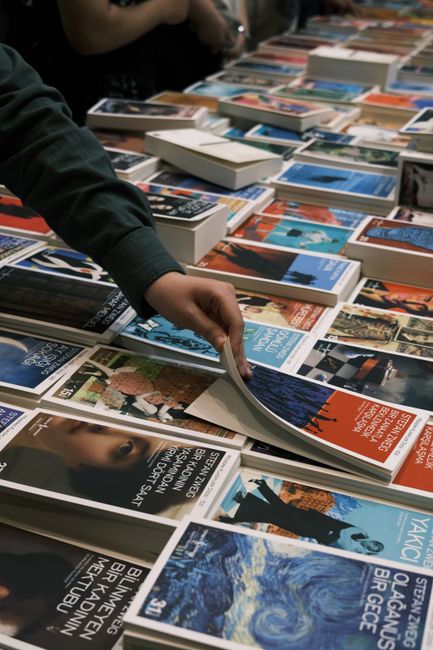
From Passion to Platform: The New Literary Stock Exchange
What if a bookshelf operated like a stock exchange? In the sprawling digital world of Instagram, it does. Welcome to Bookstagram, a visual marketplace where the value of a novel isn’t just determined by critics, but by the potent currency of likes, shares, and aesthetic appeal. This ecosystem has transformed the solitary act of reading into a public, performative, and highly lucrative economic system. It’s a space where passionate readers have become powerful market brokers, capable of shifting industry trends and creating bestsellers from the palm of their hand, effectively decentralizing the power once held exclusively by traditional publishing gatekeepers.
The Currency of Influence: Valuating Likes, Trust, and Links
In this digital economy, influence is capital. A creator’s follower count and engagement rate function like a credit score, signaling their value to publishers and brands. This social capital is then converted into tangible revenue through a sophisticated system of exchange.
- Social Capital: The foundational asset. Every comment, save, and share builds a creator’s reputation and reach. This intangible trust is what publishers are actually buying into when they collaborate with an influencer.
- Direct Monetization: This is where social capital is liquidated. Through sponsored posts, a creator sells digital real estate on their feed for a flat fee. Through affiliate links, they earn a commission on sales, acting as a performance-based marketer.
- Brand Equity: Long-term partnerships and ambassadorships are akin to exclusive trading agreements, providing creators with steady income while offering brands sustained market access to a targeted demographic.
Market Players and Their Strategic Roles
The Bookstagram economy is driven by three distinct, yet interdependent, groups, each with a specific role in the lifecycle of a book’s market journey.
The Producers: Publishers & Authors
As the suppliers, publishing houses and authors introduce new ‘products’ into the marketplace. Their primary strategy involves investing capital—in the form of marketing budgets and exclusive pre-market assets like Advance Reader Copies (ARCs)—to generate consumer demand and secure high-visibility placement through key market brokers.

Taking the next step becomes straightforward when you have the right support — Become an Ultimate Master of your life is worth exploring.
Taking the next step becomes straightforward when you have the right support — Heal your past, design your future is worth exploring.
The Brokers: Content Creators
Bookstagrammers are the indispensable middlemen. They are the market analysts, curators, and advertisers rolled into one. They don’t just review a book; they package it within an aesthetic, pair it with a lifestyle, and present it to their consumer base. Their endorsement serves as a critical signal that can dictate a book’s trajectory from obscurity to bestseller.
The Consumers: The Reading Audience
The audience holds the ultimate power, driving demand and shaping market trends with their collective attention and purchasing decisions. Their engagement is the resource that fuels the entire system, and their shifting tastes can cause a previously unknown book to surge in value overnight.

Supply and Demand: The Advance Reader Copy (ARC) Bubble
Nowhere is the economic tension of Bookstagram more apparent than in the circulation of Advance Reader Copies. ARCs are limited-edition assets distributed by publishers before a book’s official release. By controlling the supply, publishers manufacture scarcity and exclusivity, turning these early copies into status symbols.
This creates a highly competitive environment where creators vie for access to the most anticipated ARCs. Securing one is not just about reading a book early; it’s about possessing a valuable, time-sensitive commodity that can boost a creator’s own market standing. This ‘ARC bubble’ drives a relentless cycle of content creation and competition.
Market Risks and Ethical Headwinds
Like any unregulated market, the Bookstagram economy is fraught with volatility and ethical challenges that threaten its long-term stability.
- The Authenticity Deficit: As more posts become paid advertisements, consumers grow skeptical. The line between a genuine recommendation and a contractual obligation blurs, risking a ‘trust recession’ that could devalue the entire platform’s currency.
- Unsustainable Labor Practices: The pressure for constant, high-quality content creation in a crowded market leads to widespread creator burnout. This ‘labor crisis’ highlights the personal cost of maintaining a career in the attention economy.
- Market Inequity: The system often favors and amplifies a narrow range of voices, leading to a market failure in diversity and representation. Conscious effort from all players is required to ensure a more equitable distribution of visibility and opportunity.
Future Forecast: Platform Diversification and Market Maturation
The Bookstagram economy is not static. The emergence of competing platforms, most notably TikTok’s #BookTok, represents a market diversification. Video content is now a parallel asset class, and savvy creators are expanding their portfolios to mitigate risk and capture new audiences. While the platforms may change, the fundamental shift is permanent: the power to anoint a bestseller no longer rests solely in a boardroom but is now traded daily in the vibrant, chaotic, and influential open market of social media.