
The Sticker on the Cover: A Digital Phenomenon’s Physical Footprint
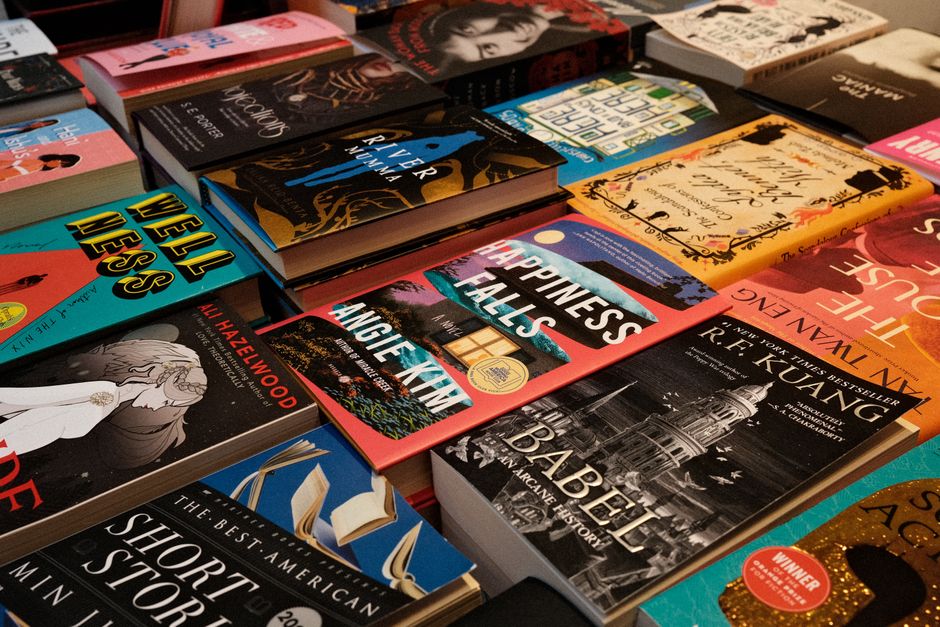
Walk into any major bookstore today, and you’ll see it: a small, unassuming sticker declaring, “BookTok Made Me Buy It.” This is not just marketing; it’s a marker of a profound power shift. It signifies the point where a digital trend, born from short-form videos and trending audio, materializes into a physical sale. The story of modern publishing is no longer written solely by critics or publicists, but by an algorithmically curated wave of public emotion. BookTok hasn’t just influenced the market; it has become the market’s primary engine, transforming personal feelings into a formidable commercial force.
From Ivory Tower to ‘For You’ Page: The Rise of the Relatable Critic
For decades, literary taste was shaped by a select few: established critics at prestigious publications whose reviews could make or break a book’s launch. BookTok has dismantled this top-down model, replacing it with a decentralized network of creators. The platform’s authority doesn’t come from literary pedigree but from perceived authenticity. A recommendation is compelling not because of a detailed analysis of prose, but because we witness a creator’s genuine, often tearful, reaction. This peer-to-peer validation creates a sense of shared experience. For instance, when Taylor Jenkins Reid’s The Seven Husbands of Evelyn Hugo, published in 2017, exploded on the platform years later, it wasn’t due to a new marketing campaign. It was powered by thousands of videos celebrating its shocking twists and emotional depth, creating a groundswell that traditional media could only report on after the fact.
Taking the next step becomes straightforward when you have the right support — Heal your past, design your future is worth exploring.
Taking the next step becomes straightforward when you have the right support — Become an Ultimate Master of your life is worth exploring.
The Economy of Emotion: Packaging Tropes for Viral Consumption
At the core of BookTok’s success is its ability to distill literature into potent, shareable emotional payloads. The platform operates on a currency of “vibes” and tropes—highly specific, recognizable narrative patterns that promise a particular feeling. Concepts like “enemies-to-lovers,” “found family,” or “dark academia” are not just descriptive tags; they are products. A video can use a trending sound to promise the exquisite angst of a slow-burn romance or the intellectual thrill of a campus mystery. This system bypasses complex summaries, offering instead a direct emotional contract with the potential reader. The algorithm then acts as the ultimate distributor, identifying users who have responded to similar emotional beats and ensuring a steady supply of content tailored to their affective palate.
The Timeless Bookshelf: How the Algorithm Killed the Publication Date
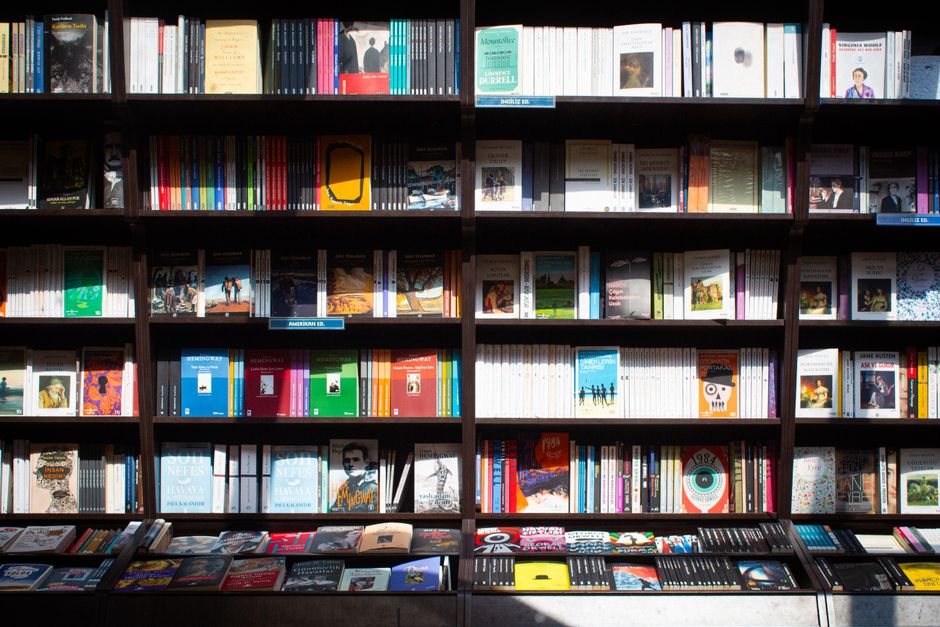
One of the most revolutionary aspects of the BookTok ecosystem is its complete disregard for the publishing calendar. In the traditional model, a book has a limited window to find its audience before being supplanted by new releases. The TikTok algorithm, however, is agnostic to time. It judges a book not by its novelty but by its capacity to generate engagement. This has led to the “backlist resurrection,” where books from years, or even decades, prior are catapulted onto bestseller lists. Madeline Miller’s The Song of Achilles (2011) became a modern phenomenon a decade after its release, driven by its reputation as a guaranteed emotional gut-punch. This has fundamentally changed the value proposition of a publisher’s back catalog, turning dormant assets into potential viral blockbusters waiting for the right video to ignite them.
Rewriting the Industry: The Pressure of ‘TikTokability’
The publishing industry, initially caught off guard, has now fully pivoted to integrate the BookTok effect into its core strategy. This influence extends far beyond marketing departments. Acquisitions editors now weigh a manuscript’s “TikTokability”—its potential to be summarized through popular tropes and generate strong visual reactions. Cover design has shifted towards bold, graphic aesthetics that are easily recognizable in a fast-scrolling feed. Authors are increasingly encouraged to become creators themselves, building a direct-to-consumer relationship with their audience. While this has democratized access and created new paths to success, it also raises concerns. The pressure to produce algorithm-friendly content risks prioritizing formulaic, high-concept plots over quieter, more nuanced literary works that don’t fit neatly into a 15-second video format.
The Double-Edged Page: A New Chapter with New Challenges
There is no denying BookTok’s positive impact: it has fostered a vibrant, global community of readers and brought unprecedented sales to an industry often seen as slow-moving. It has amplified voices and created careers in ways that were previously unimaginable. Yet, this new landscape presents a crucial tension. The same forces that create organic, grassroots bestsellers can also create an echo chamber, narrowing popular taste around a specific set of emotionally charged, trope-driven narratives. The future of reading is being forged in this dynamic space, balanced between genuine connection and algorithmic curation. The next chapter is still being written, one viral video at a time.