From Private Escape to Public Performance
For centuries, reading was an intensely private act—a quiet communion between a reader and a text. Today, that solitude has been transformed into a public spectacle. In the vibrant, visual world of Instagram’s #bookstagram community, the act of reading is now curated, photographed, and shared for a global audience. This shift has fundamentally altered our relationship with books, turning them from simple objects of knowledge or entertainment into powerful tools of personal branding and aesthetic expression. The “shelfie”—a carefully arranged photograph of one’s bookshelf—is no longer just about organization; it’s a declaration of identity, a visual resume of one’s intellectual and cultural tastes.
The New Curators: Gatekeepers of the Digital Age
As traditional literary criticism wanes in influence, a new set of tastemakers has emerged from the digital ether. These are not newspaper columnists or tenured professors, but visually savvy readers who have built platforms on the foundation of trust and shared passion. They operate not as a monolith, but as a diverse ecosystem of influence.
Taking the next step becomes straightforward when you have the right support — Heal your past, design your future is worth exploring.
Taking the next step becomes straightforward when you have the right support — Become an Ultimate Master of your life is worth exploring.
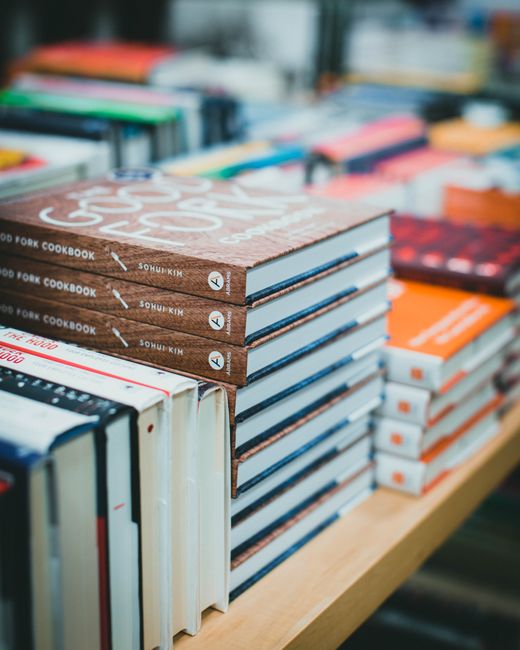
- The Genre Champion: These creators build loyal followings by dedicating their feeds to specific genres like speculative fiction or historical romance. Their deep knowledge makes them trusted guides for fans seeking the next great read within their niche, often driving sales for mid-list authors who might otherwise be overlooked.
- The Aesthetic Visionary: For this creator, the book is a key component of a larger, curated lifestyle. Whether it’s “dark academia” with tweed jackets and classic novels or “cozy fantasy” with tea and knitted blankets, they sell an entire mood. The book recommendation is secondary to the aspirational feeling it evokes, yet it powerfully drives purchasing decisions.
- The Modern Critic: Blending scholarly analysis with accessible social media formats, this type of Bookstagrammer provides thoughtful, in-depth reviews. They use Instagram’s carousels and stories to dissect themes, critique prose, and engage their audience in high-level literary discussion, proving that substance can thrive alongside style.
Designing for the Feed: Publishing’s Visual Pivot
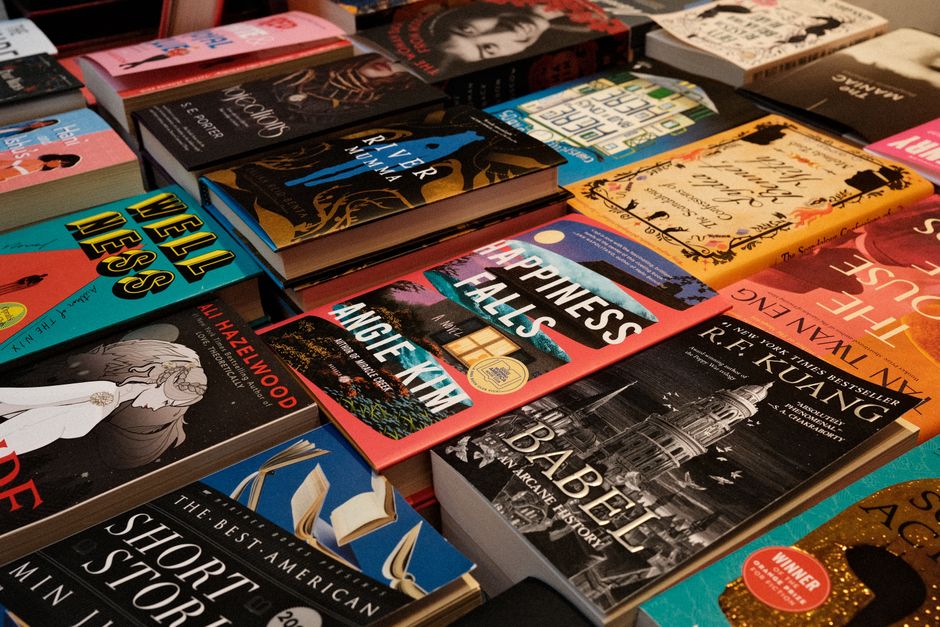
The publishing industry has taken notice, and the ripple effects are visible on every bookstore shelf. The “Instagrammability” of a book is now a crucial factor in its marketing and even its design. This has led to a renaissance in cover art, with publishers investing in bold typography, striking illustrations, and tactile elements designed to pop in a crowded digital feed.
This visual-first approach has also fueled the booming market for special editions. Features like sprayed edges, custom endpapers, and foiled hardcover designs are created not just for collectors, but for an audience eager to photograph and share these beautiful objects. A publisher’s marketing budget, once reserved for print ads and author tours, is now heavily allocated to influencer campaigns, where sending out visually stunning “book boxes” can generate more organic buzz than a feature in a legacy magazine.
The Perils of a Curated Literary Life
While Bookstagram has democratized literary conversation and created vibrant communities, its influence is not without complexity. The platform’s algorithm, designed to promote engaging content, can create echo chambers, repeatedly pushing a handful of viral books onto everyone’s feed. This can lead to a homogenization of reading trends, potentially sidelining quieter, more challenging, or less visually appealing works.
Furthermore, the pressure to perform extends beyond creators to the average reader. A new form of “reading anxiety” can emerge—a feeling of needing to keep up with the latest trends, to read the “right” books, and to present one’s reading life in a visually pleasing way. For the creators themselves, the relentless demand for content can lead to burnout, as the passion for reading becomes entangled with the pressures of engagement metrics and brand partnerships, turning a beloved hobby into a demanding job.