
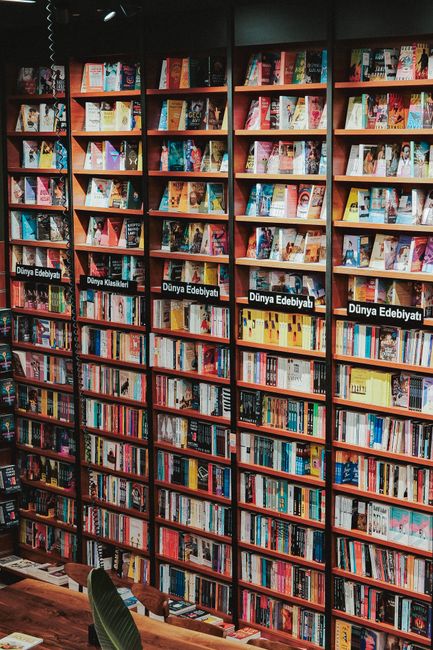
From Passion Project to Publishing Powerhouse
Beyond the artfully placed lattes and cozy blankets lies a formidable economic engine. Bookstagram, the book-centric corner of Instagram, has evolved from a simple hashtag into a sophisticated marketplace where visual appeal is currency and follower trust is capital. This digital ecosystem has fundamentally altered how books are discovered, marketed, and ultimately, sold, creating a new class of tastemakers who operate outside traditional literary circles.
The Tangible Value of Digital Taste
In the Bookstagram economy, influence is not an abstract concept; it is a measurable asset that directly impacts book sales. A single, well-crafted post can reignite interest in a backlist title or propel a debut novel onto bestseller lists. Publishers have taken note, reallocating marketing budgets to cater to this new reality.
Taking the next step becomes straightforward when you have the right support — Heal your past, design your future is worth exploring.
Taking the next step becomes straightforward when you have the right support — Become an Ultimate Master of your life is worth exploring.
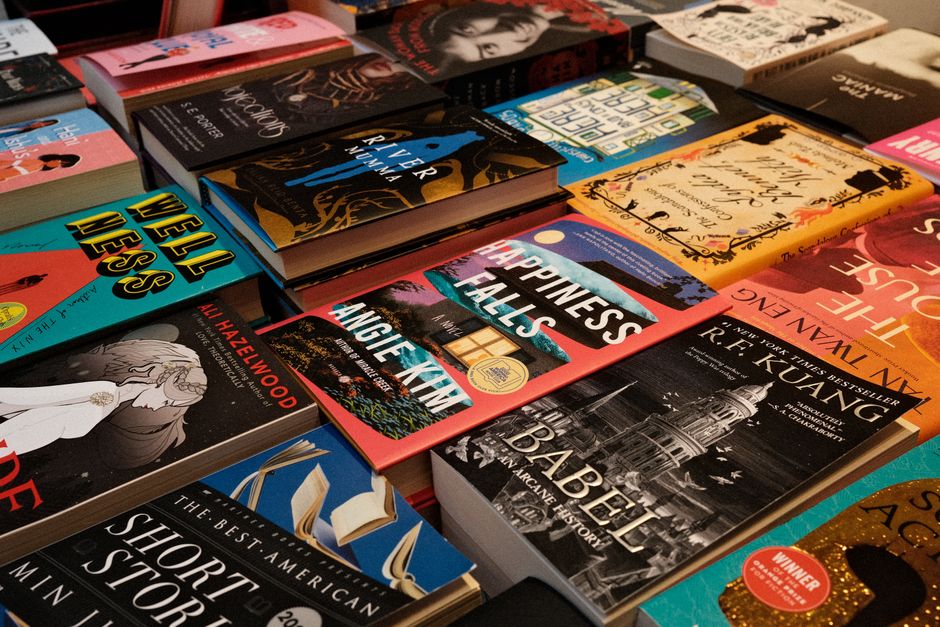
A 2021 Publishers Association study revealed a seismic shift: 59% of readers aged 16-25 now discover books through social media platforms. This demonstrates that influence has been decentralized, moving from established critics to a distributed network of passionate, visually savvy readers.
Engagement metrics—likes, shares, and saves—are no longer just vanity points. They are data that proves an influencer’s ability to mobilize a consumer base, making their digital shelf space as valuable as a front-of-store display in a physical bookstore.
Inside the Modern Literary Assembly Line
The journey from a publisher’s manuscript to a reader’s hands now has a critical digital intermediary. This new supply chain is built on a symbiotic relationship between creators and the industry.
- Strategic Seeding: Publishers distribute Advance Reader Copies (ARCs) not just for early reviews, but as strategic assets. Placing a book in the hands of the right influencer months before release builds organic hype and pre-order momentum.
- Content as Commerce: The influencer’s role is to transform the book into a desirable object. Through skilled photography and compelling captions, they create a ‘lifestyle asset’ that links the act of reading to a specific aesthetic or feeling, effectively creating an advertisement rooted in personal taste.
- Closing the Loop: Through affiliate links, discount codes, and direct calls to action, influencers guide their audience from passive admiration to active consumption, completing the sales cycle that began with a single photo.
The Ethics of the Digital Bookshelf
As the line between hobby and profession blurs, complex questions of authenticity and commerce arise. The monetization of Bookstagram has introduced a tension between genuine passion and paid promotion, forcing both creators and followers to navigate a new ethical landscape.
The pressure to maintain a constant stream of new, ‘shelf-worthy’ content can lead to creator burnout, transforming a love of reading into a demanding job. For consumers, the challenge lies in discerning an unpaid, heartfelt recommendation from a sponsored post, a distinction that fundamentally alters the nature of the review.

Forging New Markets: The Rise of Niche Influencers
While mainstream Bookstagram can sometimes amplify already popular titles, its economic structure has also created opportunities for underserved markets. Creators who champion diverse voices, translated fiction, or specific sub-genres have cultivated powerful, highly-engaged communities. These influencers act as market correctors, using their platforms to generate demand for books that might otherwise be overlooked by traditional marketing channels. By serving these niche audiences, they not only foster inclusivity but also prove the commercial viability of a more representative literary world.