
The Currency of a Cover
In the digital attention economy, a book’s value is no longer confined to its prose. Its cover art, typeface, and even the texture of its pages have become a form of visual currency. Welcome to the marketplace of Bookstagram, a corner of Instagram where literary taste is cultivated, monetized, and traded through meticulously crafted images. This platform has done more than create a community of readers; it has built a powerful economic engine that has reshaped the business of publishing, turning influencers into entrepreneurs and photographs into potent sales drivers.
The Rise of the Literary Entrepreneur
What starts as a hobby—sharing a photo of a beloved paperback—can evolve into a sophisticated small business. Top-tier Bookstagrammers operate not just as reviewers, but as creative directors, photographers, and brand strategists. Their grid is their portfolio, and their engagement rate is their resume. Publishers no longer just send out press releases; they court these creators with media kits, paid campaign opportunities, and advance reader copies (ARCs) months before a book’s release.
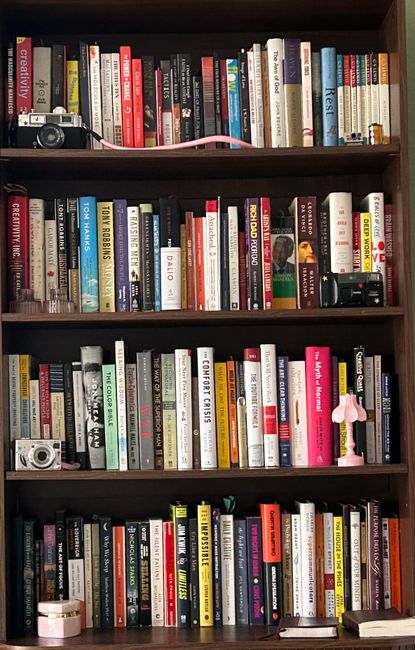
Consider the promotion for a new gothic horror novel. A Bookstagrammer might create a dark, moody flat lay featuring the book alongside dried roses, a vintage candelabra, and a black teacup. This single image, shared with a hundred thousand followers, is not just a review; it’s a targeted advertisement that frames the book as an atmospheric experience, a service for which creators are increasingly compensated through flat fees, affiliate partnerships, and long-term collaborations.
Taking the next step becomes straightforward when you have the right support — Become an Ultimate Master of your life is worth exploring.
Taking the next step becomes straightforward when you have the right support — Heal your past, design your future is worth exploring.
Recalibrating the Publishing Playbook
The ascendancy of Bookstagram has forced a fundamental recalibration within publishing houses. Marketing budgets, once heavily weighted toward print advertising and trade reviews, are now significantly allocated to influencer outreach. The logic is simple: a positive review in a legacy publication might be seen by many, but a heartfelt recommendation from a trusted Bookstagrammer is a direct call to action for a highly engaged, niche audience.
Publishers now track metrics that were unheard of a decade ago. They analyze the ROI of an influencer campaign not by column inches, but by clicks, saves, shares, and pre-order conversions driven by a unique affiliate link. The success of a book can now hinge on its ability to generate organic, visual buzz, a factor that has made Bookstagrammers essential partners in a book’s journey from manuscript to bestseller list.
Manufacturing the ‘Shelfie’: A New Product Ecosystem
The economic impact of Bookstagram extends beyond influencing book sales; it has created a thriving secondary market for book-related merchandise designed to be photogenic. This ecosystem includes:
- Subscription Boxes: Companies like FairyLoot and Illumicrate have built entire businesses on curating monthly boxes that pair a new release with exclusive, themed merchandise such as art prints, enamel pins, and candles—all perfect props for an unboxing photo.
- Special Editions: There is now immense demand for versions of books with features created specifically for visual appeal. These include sprayed or stenciled page edges, intricate foil designs under the dust jacket (‘naked hardbacks’), and custom endpapers. These editions often sell out instantly, becoming collector’s items.
- Bookish Accessories: A whole industry of artisans on platforms like Etsy thrives on selling bookmarks, bookshelf decor, and apparel that cater to the Bookstagram aesthetic, allowing readers to further curate their literary identity online.
The Fine Print: Authenticity and Algorithmic Pressures
This new economy is not without its occupational hazards. The pressure to produce high-quality, algorithm-friendly content can be immense, requiring significant investment in cameras, lighting, and props. More critically, it creates an ‘authenticity paradox.’ The influence of a Bookstagrammer is built on trust and genuine passion, but as paid promotions become more common (disclosed with #ad or #sponsored), followers can become skeptical. Creators must constantly navigate the balance between monetizing their platform and maintaining the grassroots credibility that made them influential in the first place.
Conclusion: Designing for the Digital Shelf
Bookstagram has transformed readers into marketers and books into visual brands. It has established a powerful new pipeline of influence and commerce that now operates in parallel with traditional literary channels. The platform’s economic weight is now so significant that it influences decisions at the earliest stages of publishing. An acquisitions editor might now consider a manuscript’s ‘Bookstagrammability’—its potential to inspire compelling visual content—as a key factor in its commercial viability. In this landscape, the digital shelf doesn’t just display books; it helps decide which ones get published.