From Page to Product: The New Aesthetics of Literature
In the digital marketplace of ideas, a book is no longer just a collection of words; it’s a visual statement. The modern literary landscape is increasingly shaped by a powerful economic and cultural force: the aesthetic appeal of a book as a physical object. This shift, driven by Instagram’s book-loving communities, has transformed reading from a private pastime into a public performance and a lucrative lifestyle brand. It has created a new economy where a book’s success can hinge as much on its ‘photogenic’ qualities as its prose.
- Core Shift: The emphasis has moved from the purely textual experience to the book as a tangible, aesthetically pleasing consumer good.
- Driving Force: Instagram communities reward visual appeal, creating a feedback loop where ‘Instagrammable’ books gain visibility and drive sales.
- Economic Result: A new market has emerged for visually enhanced products, influencing everything from cover art to special edition print runs.
The Anatomy of an ‘Instagrammable’ Book
Publishers have become acutely aware that the first impression of a book often happens on a screen. This has ignited a revolution in book design and production, with features once considered niche luxuries now becoming standard for buzzworthy titles.
Cover Art as a Digital Billboard
A book cover must now do more than hint at the story within; it must stop a user’s scroll. This has led to a surge in specific design trends optimized for small screens:
- Bold & Illustrative Designs: Intricate illustrations and vibrant, high-contrast color palettes are favored over subtle photography to stand out in a crowded feed.
- Tactile Embellishments: Gold foil, embossing, and unique textures are not just for feel; they catch the light in photos and videos, adding a premium, shareable quality.
The Rise of the Special Edition
The demand for unique, collectible books has fueled the growth of businesses like FairyLoot and Illumicrate, which specialize in subscription boxes with exclusive editions. These versions often feature:

Taking the next step becomes straightforward when you have the right support — Become an Ultimate Master of your life is worth exploring.
Taking the next step becomes straightforward when you have the right support — Heal your past, design your future is worth exploring.
- Sprayed or Stenciled Edges: Colorful patterns painted on the edges of the book block, creating a striking visual when the book is closed.
- Custom Endpapers & Signed Copies: Unique interior art and author signatures transform a mass-market product into a limited-edition collectible, driving pre-order campaigns and justifying higher price points.
The Influencer Supply Chain: A New Era of Marketing
The traditional path of a book from publisher to reader has been rerouted through the accounts of social media influencers. These creators are not just reviewers; they are the new tastemakers and a vital component of the publishing supply chain.
From ARC to ROI
Advanced Reader Copies (ARCs) are now key strategic assets. Publishers meticulously select influencers whose personal brand and audience align with a book’s target market. This generates authentic, pre-launch hype that data shows can directly translate into first-week sales. An influencer’s ‘unboxing’ video of an ARC package is now as valuable as a traditional print review, if not more so, for reaching a specific, engaged demographic.
Micro-Influencers and Niche Markets
While major accounts can launch a book into the stratosphere, the ecosystem’s real strength lies in its niches. Micro-influencers (typically with 5,000-20,000 followers) cultivate highly dedicated communities around specific genres like ‘dark academia’ or ‘cozy fantasy’. Publishers can now engage in hyper-targeted marketing, seeding these communities with relevant titles and activating a passionate, grassroots sales force.
The Reader as Curator and Brand
This new economy has also changed what it means to be a reader. The act of reading is now intertwined with the act of curating and sharing one’s literary life.
The Shelfie: A Personal Reading Fingerprint
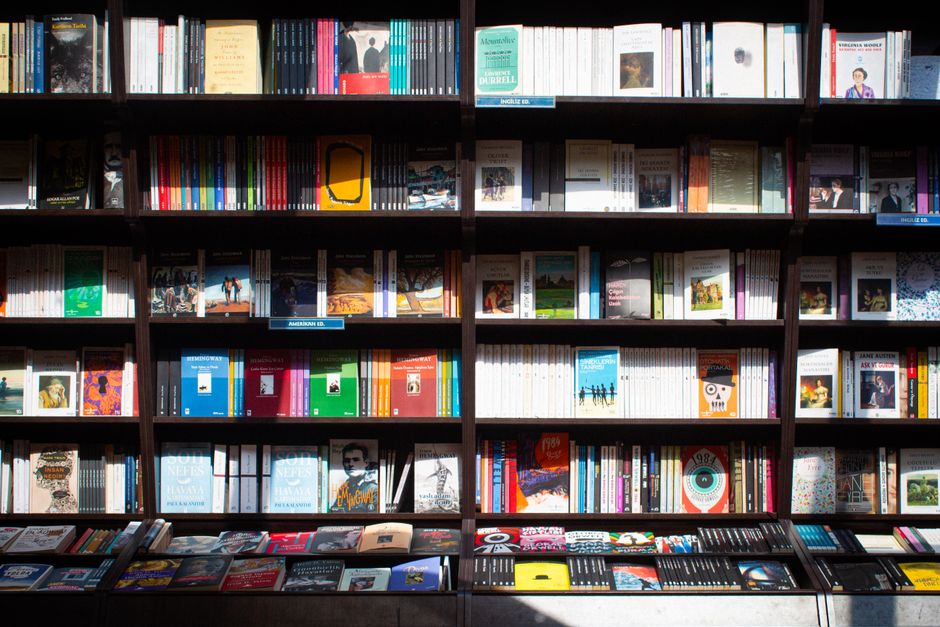
Bookshelves have become backdrops for life, meticulously arranged by color, theme, or author to project a specific reader identity. The ‘shelfie’ (a selfie with one’s bookshelf) is more than a picture; it’s a declaration of taste, a personal brand statement that communicates one’s values and interests to a community of peers.
Performative Reading and Community
While the visual focus can create pressure to ‘perform’ readership by acquiring the trendiest new releases, it also fosters a powerful sense of community. Online book clubs, read-alongs, and reading challenges transform the solitary act of reading into a shared, global event. A trending title like Taylor Jenkins Reid’s The Seven Husbands of Evelyn Hugo can experience a massive resurgence years after its initial publication, purely fueled by this community-driven cycle of discovery and discussion, proving that in the visual economy, a book’s shelf life can be infinite.