
The Aesthetic of Reading: A New Digital Marketplace
Scroll through the #bookstagram tag, and you’ll find more than just book recommendations. You’ll find a meticulously crafted visual world: color-coordinated shelves, artful flat lays with props and seasonal foliage, and the ubiquitous “shelfie.” This is the new literary marketplace, where the act of reading has been transformed into a marketable lifestyle aesthetic. What was once a deeply personal and solitary pastime has been externalized, packaged, and branded. The platform created a visual language for a non-visual hobby, turning the reader into a curator and their library into a gallery. This digital space is not just about what you read, but how your reading life looks.
From Reader to Critic: The Rise of the Amateur Tastemaker
In this visual marketplace, influence is the primary currency. Bookstagrammers have emerged as powerful tastemakers, rivaling and sometimes eclipsing traditional literary critics. Their power lies in their perceived authenticity and relatability. A passionate video review from a trusted creator can propel an unknown author onto the bestseller lists, a phenomenon that has forced the publishing industry to take notice. Consider Leo, whose account dedicated to obscure translated fiction gained a loyal following. He built his brand on unique, heartfelt recommendations. Yet, the temptation to review a blockbuster fantasy novel for a quick surge in engagement is a constant pressure, highlighting the inherent conflict between maintaining a niche passion and achieving platform growth. This democratization of criticism has given a voice to many, but it has also created a new, algorithm-driven hierarchy of influence.
Taking the next step becomes straightforward when you have the right support — Become an Ultimate Master of your life is worth exploring.
Taking the next step becomes straightforward when you have the right support — Heal your past, design your future is worth exploring.
The High Cost of a Curated Library
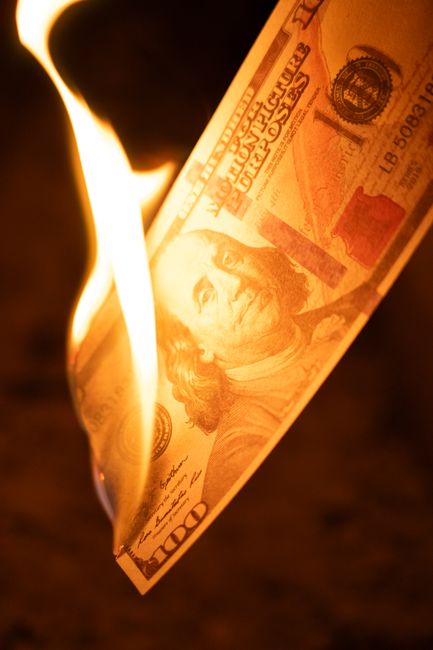
Maintaining a presence in this literary ecosystem requires significant investment, both financial and temporal. The pressure is not merely to read, but to acquire the *right* books—the new hardcovers with stunning, photogenic covers, the limited editions with sprayed edges, or the complete matching set from a popular series. For creators without access to free advance copies from publishers, the hobby quickly becomes an expensive venture. Beyond the monetary cost is the immense labor involved. Staging a single photo can take hours, from finding the right light to arranging props. This is followed by writing compelling captions, researching hashtags, and engaging constantly with followers to satisfy the platform’s demanding algorithm. The relaxing hobby of reading becomes entangled with the unpaid labor of content creation, where the goal shifts from personal enrichment to public performance.
Performance Anxiety in the Reading Nook
The public nature of the platform transforms personal reading habits into performance metrics. This fosters a pervasive sense of performance anxiety. The pressure isn’t just to read a lot—a stress amplified by public Goodreads challenges—but to have a clever, insightful, and immediate opinion on every book. A “reading slump,” once a natural ebb in a reader’s life, is now a source of guilt and anxiety, representing a potential gap in content and a drop in engagement. The quiet, reflective space needed to truly absorb a complex work is eroded by the need to formulate a shareable hot take. As digital culture sociologist Dr. Anya Sharma notes, “We are witnessing the externalization of the reading experience. Its value is increasingly measured not by the internal journey but by the shareable artifact it produces—the photo, the rating, the pithy review.”
Redefining Reading in the Age of the Algorithm
Ultimately, the rise of Bookstagram forces us to ask what it means to be a reader today. Has the definition shifted from someone who consumes literature to someone who produces content about it? The platform’s structure inherently rewards the performance of reading over the act itself. Navigating this new landscape requires a conscious effort to reclaim the hobby’s original purpose. For many, this means setting firm boundaries: reading books that will never be photographed, allowing for private reading slumps without apology, and curating their feeds to celebrate a diversity of reading styles, not just the most aesthetically pleasing ones. The challenge is to engage with the community without allowing the pressures of the digital marketplace to devalue the simple, profound joy of getting lost in a story.