
The Crumbling Gates of Publishing
For decades, the path to literary stardom was a well-trodden, heavily guarded road. An author’s success depended on a select few: discerning editors, influential newspaper critics, and the buyers for major bookstore chains. These were the gatekeepers. Today, that fortress has been breached, not by a rival publisher, but by a global network of readers armed with smartphones. The rise of visual social media platforms has orchestrated a fundamental power shift, rewriting the rules of what makes a book a cultural phenomenon and who gets to decide.
The New Tastemakers: Authenticity as Currency
In the old world, authority came from a byline in a prestigious publication. In the new digital ecosystem, it comes from perceived authenticity. Reader-influencers on platforms like Instagram have built loyal followings not on academic critique, but on shared passion and personal connection. Their recommendations carry weight because they feel like a conversation between friends. A heartfelt review paired with a beautifully staged photograph can now generate more sales than a formal review in a legacy newspaper. This peer-to-peer validation has become the industry’s most potent marketing tool, especially for younger demographics who, according to industry studies, increasingly discover books through their social feeds rather than traditional channels.
Designing for the Feed: When Covers Become Content
This new reality has had a tangible impact on the physical product itself. A book’s journey is no longer just from the shelf to the checkout counter; it’s from the feed to the ‘add to cart’ button. This has placed immense pressure on publishers to create ‘Instagrammable’ covers.
Taking the next step becomes straightforward when you have the right support — Become an Ultimate Master of your life is worth exploring.
Taking the next step becomes straightforward when you have the right support — Heal your past, design your future is worth exploring.
The Visual Hook
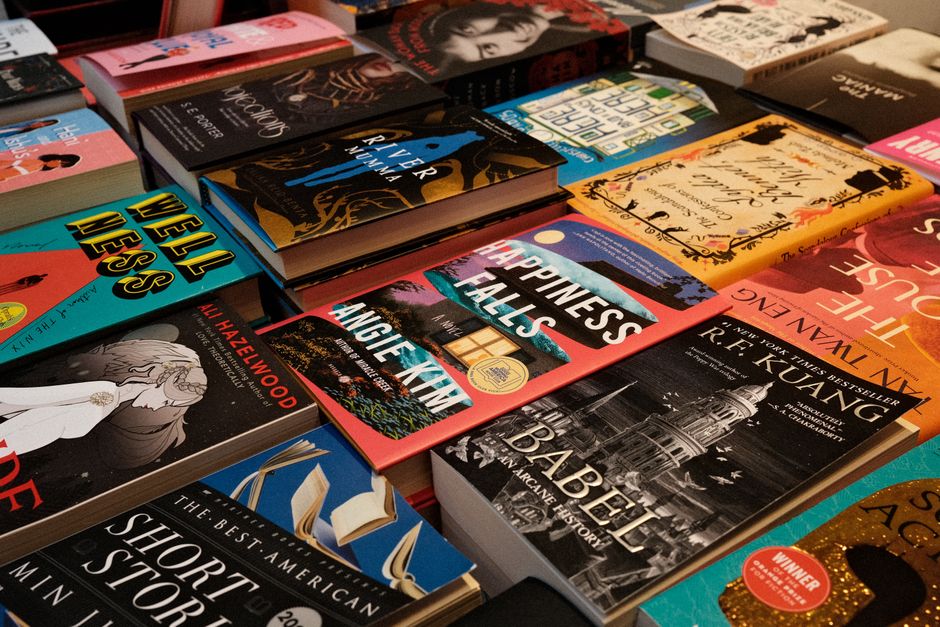
Bold typography, high-contrast color palettes, and striking graphic elements are now paramount. A cover must be able to grab attention as a tiny thumbnail while a user scrolls. The goal is to create an object that people don’t just want to read, but also want to be seen with. This visual appeal is the first step in a book’s potential viral journey, transforming a simple piece of cover art into shareable social content.
Crafting an Experience
Beyond the cover, the aesthetic extends to how books are presented online. The trend of arranging books in ‘flat lays’ with thematic props—a thriller with a magnifying glass and a dark coffee, a romance with pressed flowers—is not just about pretty pictures. It’s about selling an entire mood and experience. This visual storytelling allows a potential reader to imagine themselves in the world of the book before they’ve even read the first page.
The Sleeper Hit Phenomenon
Perhaps the most disruptive power of this digital movement is its ability to defy the publishing calendar. Traditionally, a book had a small window after its release to find an audience before it was replaced by newer titles. Social media has obliterated that timeline.
Resurrecting the Backlist
A book can now find its audience years after its initial publication. Taylor Jenkins Reid’s The Seven Husbands of Evelyn Hugo, for example, became a runaway bestseller long after its 2017 release, propelled by a wave of viral reader recommendations. This phenomenon allows books to have a much longer life, with sales driven by organic, user-generated hype rather than a publisher’s initial marketing push. It proves that in the digital age, a passionate community can be a more powerful sales engine than a time-sensitive launch campaign.
A Redefined Industry
The publishing industry has been forced to adapt to this new landscape. Marketing budgets have been reallocated from print advertising to influencer collaborations. Securing buzz from key online creators with Advance Reader Copies (ARCs) is now a critical pre-launch strategy. This shift signifies a permanent change: the power to anoint a bestseller no longer rests solely with the publisher, but is now shared with the vast, unpredictable, and powerful court of public opinion online.