

The New Gatekeepers: When Likes Outweigh Literary Reviews
In a marketing meeting for a new novel a decade ago, the conversation would have centered on securing reviews in major newspapers and placing ads in literary journals. Today, that conversation is dominated by a different vocabulary: influencer kits, unboxing videos, and hashtag campaigns. The rise of Bookstagram has orchestrated a seismic power shift in the literary world. The authority once held by a handful of professional critics has been decentralized, handed over to a new generation of content creators whose influence is measured not in column inches, but in engagement rates and aesthetic appeal. This is not merely a new way to discuss books; it is a fundamental restructuring of the engine that drives the publishing industry.
Designing for the Grid: The Aesthetics of Acquisition
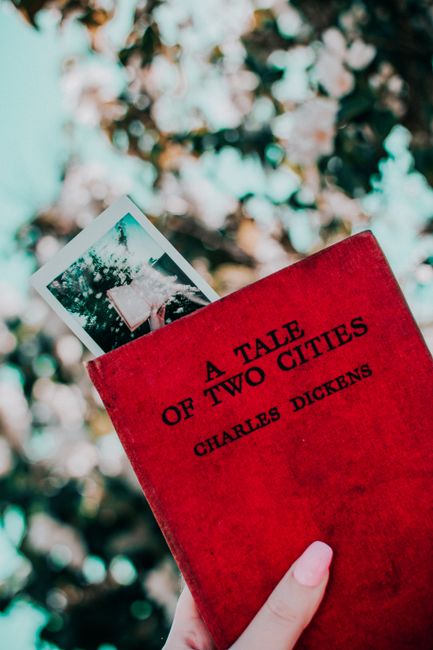
The adage ‘don’t judge a book by its cover’ has become obsolete in an era where the cover is the first and most crucial marketing asset. The visual-first nature of Instagram means a book’s ‘shelf appeal’ has been replaced by its ‘grid appeal.’ This has profound implications that begin long before a book is printed. Publishers and art departments are now acutely aware of what performs well online. Bold, illustrated covers, intricate foil details, and, most notably, special editions with ‘sprayed edges’ are no longer niche collector’s items but strategic decisions designed to go viral. A book’s potential to be beautifully photographed has become a key factor in its commercial viability, turning cover design from an art form into a calculated science of visual ROI.
Taking the next step becomes straightforward when you have the right support — Become an Ultimate Master of your life is worth exploring.
Taking the next step becomes straightforward when you have the right support — Heal your past, design your future is worth exploring.
The Backlist Gold Rush
Traditionally, the publishing industry operated on a frontlist model, focusing its energy and budget on new releases. Bookstagram, along with its counterpart BookTok, has completely upended this system. It acts as a time machine, capable of reaching back years or even decades to resurrect a title from obscurity and place it on the bestseller list. Madeline Miller’s novels, such as ‘The Song of Achilles’ and ‘Circe’, experienced meteoric resurgences long after their initial publication, driven by a wave of heartfelt, visually compelling reader recommendations. This phenomenon creates a ‘backlist gold rush,’ forcing publishers to rethink inventory, reprint forgotten titles, and acknowledge that a book’s life cycle is no longer predictable or finite.
The Author’s Double Shift: From Writer to Online Personality
The digital age has also redefined the role of the author. The romantic image of the reclusive writer, isolated from the public, has been replaced by the expectation of the constantly-online author-as-brand. Building a social media platform is no longer a bonus; for many, it’s an unspoken part of the job description. Authors are encouraged to engage directly with their readership, share personal updates, and participate in the very trends that sell their books. While this can foster an unprecedented connection with fans, it also represents a ‘double shift’—a significant demand of emotional labor and content creation that exists alongside the solitary work of writing itself. This pressure to perform can be both a powerful career tool and a significant source of burnout.
A Symbiotic but Volatile Partnership
The relationship between the publishing industry and Bookstagram is one of deep, complex codependence. The platform has become an undeniably powerful sales engine, capable of launching careers and creating global bestsellers with breathtaking speed. It has given visibility to marginalized voices and niche genres in a way traditional media often failed to do. Yet, this reliance comes with risks. Chasing trends can lead to a homogenization of content, and the platform’s ever-changing algorithm creates a volatile marketplace where success can be as fleeting as it is explosive. The challenge for publishers, authors, and readers alike is to harness the immense power of this visual world without letting the conversation about books become secondary to the pictures of them.