Introduction: The Digital Double-Life of the Modern Reader
For millions, Bookstagram is a digital sanctuary—a vibrant corner of the internet where the solitary act of reading blossoms into a shared cultural event. It’s a place to discover a new favorite author, debate a plot twist, and find kinship with fellow bibliophiles across the globe. Yet, beneath this idyllic surface lies a series of paradoxes. This platform, built to celebrate a love for books, simultaneously transforms that love into a performance, community into competition, and the book itself into both a text and a prop. Navigating Bookstagram means navigating these inherent tensions between private passion and public persona.
The Paradox of Community: Seeking Connection, Finding Comparison
At its best, Bookstagram solves a fundamental problem for the avid reader: isolation. It acts as a sprawling, always-on literary salon where conversations that once required a local book club can happen instantly with thousands of people.
A Global Niche for Every Reader
Through hashtags and specialized accounts, the platform cultivates micro-communities catering to every imaginable taste. Whether your passion is for #HistoricalFiction, epic #SFF, or niche translated works, there is a space for you. This digital infrastructure fosters a powerful sense of belonging, assuring readers that their specific interests are not just valid but shared. It transforms reading from a quiet, internal experience into a dynamic, communal dialogue.
The Shadow of the Stack
However, the same platform that fosters connection also creates an environment ripe for comparison. The endless scroll of towering ‘to-be-read’ piles, meticulously organized shelves, and monthly wrap-ups detailing dozens of books read can trigger feelings of inadequacy. The joy of finishing a single, cherished book can be diminished by the pressure to keep up with the voracious pace of others. The community sought for validation can inadvertently become a source of anxiety and ‘reading slumps’ when one’s own habits feel insufficient.

Taking the next step becomes straightforward when you have the right support — Heal your past, design your future is worth exploring.
Taking the next step becomes straightforward when you have the right support — Become an Ultimate Master of your life is worth exploring.
The Paradox of Identity: Authentic Expression vs. The Curated Brand
Sharing what you read is a deeply personal act of self-expression. On Bookstagram, this act is amplified, becoming a central pillar of one’s digital identity. But where does authentic sharing end and brand management begin?
The Shelf as a Statement
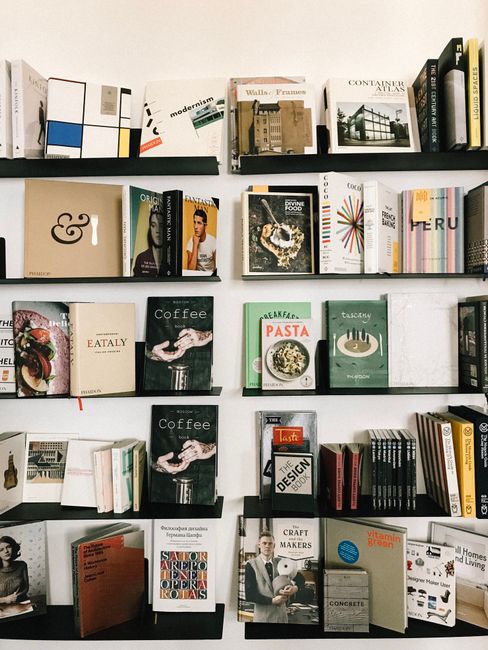
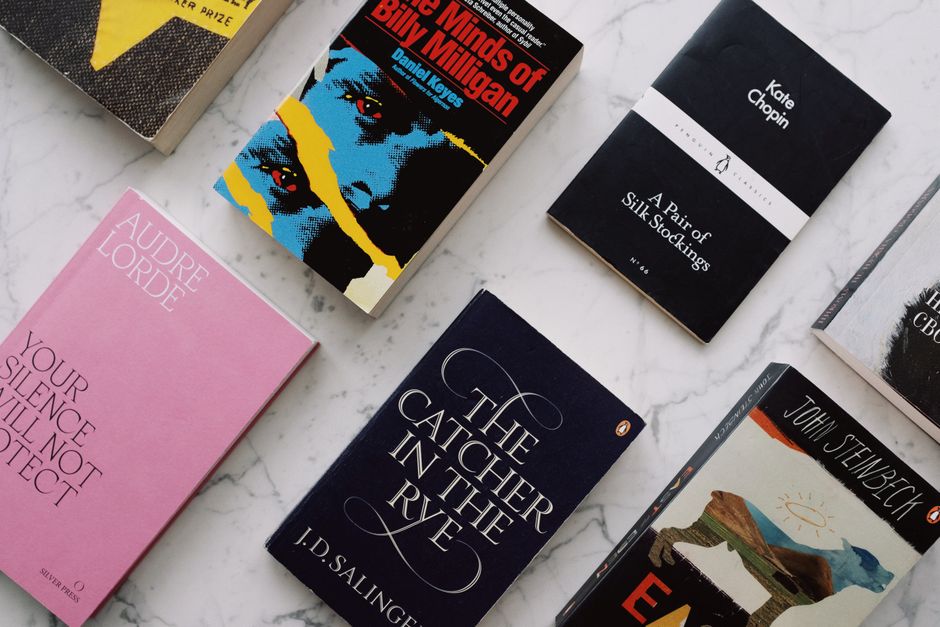
Every post on Bookstagram is a form of social signaling. A stack of classic literature signals intellectual depth; a colorful array of romance novels projects a fun, vibrant personality. Users meticulously craft their ‘shelfies’ and flat lays not just to share their reading list, but to communicate a carefully constructed identity. The books become a language for telling the world who you are—or who you want to be perceived as.
The Performance of Passion
This curation inevitably leads to performance. The pressure to maintain a consistent aesthetic, post engaging content, and stay relevant with new releases can transform a hobby into a job. The messy reality of a reading life—books half-finished, notes scrawled in margins, a chaotic bedside table—is often sanitized in favor of a polished, marketable image. This creates a potential disconnect between the reader and their online persona, blurring the line between genuine enthusiasm and the obligations of a personal brand.
The Paradox of the Object: The Book as Text vs. The Book as Prop
The visual-first nature of Instagram has fundamentally altered the role of the book within this ecosystem, creating a dual identity for the physical object itself.
From Story to Spectacle
On Bookstagram, a book’s cover design, spine color, and ‘photogenic’ quality can become as crucial as its narrative content. The platform’s algorithm rewards visually stunning content, encouraging users to treat books as aesthetic props in elaborate photoshoots. This can lead to purchasing decisions based on a book’s ‘instagrammability’ rather than its literary merit, decontextualizing it from its primary purpose as a vessel for story.
The Influencer Economy
This visual economy has empowered a new class of literary tastemakers: the book influencer. Publishers now rely on these creators to market new titles, sending out coveted Advanced Reader Copies (ARCs) in photogenic packages. A single, well-crafted post can drive thousands of sales, turning a book into a bestseller. While this democratizes literary influence, it also commercializes the space, turning recommendations into sponsored content and community trust into a marketable asset.
Conclusion: Reading Between the Lines of a Digital World
Bookstagram is a microcosm of modern digital life: a space of immense opportunity for connection that is fraught with psychological and commercial pressures. It is neither a pure haven nor a toxic marketplace, but a complex landscape defined by its contradictions. For the users who call it home, the challenge is to engage mindfully—to leverage the platform for its community and discovery without losing the quiet, intrinsic joy of getting lost in a good book. The goal is to remain the reader, not just the performer of reading.