From Private Escape to Public Performance
Reading has traditionally been a quiet, solitary act—a private dialogue between an author and a reader. But in the age of social media, this intimate experience has been transformed into a public spectacle. Platforms like Instagram, with its vibrant “Bookstagram” community, have given readers a place to connect and share their passion. However, this shift has also fundamentally altered what it means to be a reader today. The act of reading is no longer just about comprehension and escape; it has become intertwined with personal branding, content creation, and the relentless pursuit of digital engagement.
The Reader as a Brand: Aesthetics Over Analysis
In the visual economy of Instagram, a reader’s identity is often curated like a brand. It’s not enough to simply love books; one must project a specific readerly aesthetic. Whether it’s the moody, academic vibe of “dark academia” or the sun-drenched pastels of contemporary romance, every element is carefully chosen. The book itself can become an accessory, its cover selected to match a color palette or prop a carefully arranged photo. This creates a powerful feedback loop where the external validation from a beautiful post can become more compelling than the internal satisfaction of finishing a challenging chapter.
The Bookshelf as a Backdrop
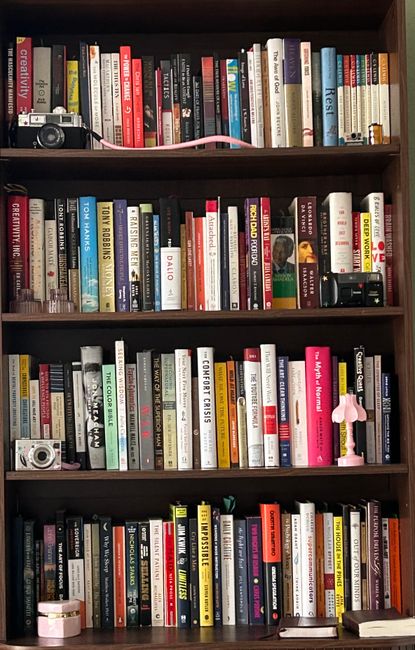
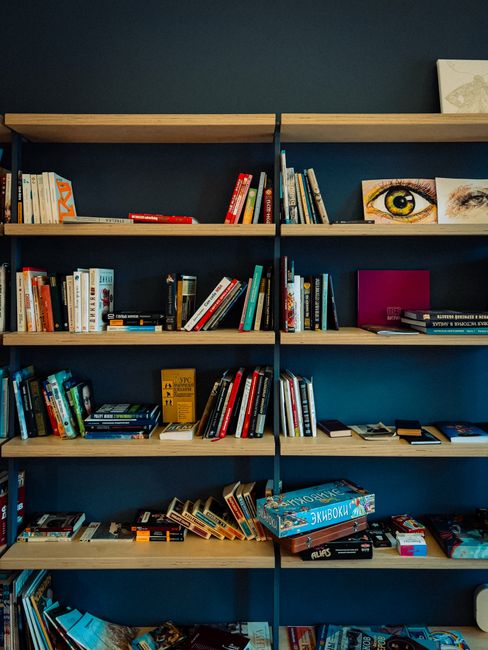
The personal library, once a private collection, is now a public stage. The “shelfie”—a selfie with one’s bookshelf—is a cornerstone of Bookstagram content. The pressure is on for these shelves to be perfectly organized, often by color rather than author, turning a functional collection of stories into a design element. This focus on visual appeal can inadvertently prioritize the acquisition of books for their aesthetic value over the intention to read them, leading to what some users call “trophy books” that look good on camera but remain unread.
The Professionalization of Passion: When a Hobby Becomes a Job
What often begins as a joyful hobby can quickly morph into an unpaid, and then underpaid, job. As an account gains traction, the ecosystem of the publishing industry comes into play, introducing deadlines, obligations, and financial pressures into the once-leisurely act of reading.
Taking the next step becomes straightforward when you have the right support — Become an Ultimate Master of your life is worth exploring.
Taking the next step becomes straightforward when you have the right support — Heal your past, design your future is worth exploring.
The Content Supply Chain
Advanced Reader Copies (ARCs) are a key part of this professionalization. While receiving a book before its publication is exciting, it also places the creator into the publisher’s marketing supply chain. Reading is no longer driven by personal curiosity but by publication dates and the obligation to post a timely review. A 2022 survey of book influencers found that over 60% felt overwhelmed by these obligations. This pressure to read and review on a schedule turns a passion into a production line, where the primary goal is to generate content rather than to savor a story.
The Passion Economy’s Toll
Monetization adds another layer of complexity. Sponsored posts and affiliate links require creators to balance authenticity with contractual demands. The question shifts from “Did I love this book?” to “How can I sell this book?” This commercial pressure can create a disconnect with the very community the creator sought to join, blurring the line between genuine recommendation and paid promotion, and adding significant emotional labor to the process.
The Psychological Weight of a Public Reading List
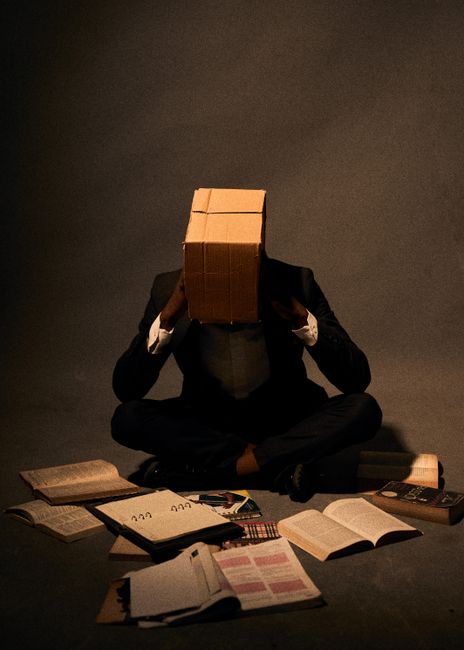
Turning a personal hobby into a public performance carries a significant psychological cost. The constant visibility and quantification of one’s reading life can lead to burnout, comparison, and a diminished sense of self-worth. It fosters an environment where intrinsic motivation (reading for joy) is replaced by extrinsic motivation (reading for likes).
Measuring Up: The Data of Devotion
On Bookstagram, a reader’s worth can feel quantifiable. It’s measured in followers, likes on a review, or the number of books read per month. This culture of comparison can lead to intense anxiety and “imposter syndrome,” where even successful creators feel they aren’t reading enough, reading the right things, or creating content that is good enough. A reading slump, a natural part of any reader’s life, can feel like a professional failure, creating a cycle of guilt and avoidance.
Reclaiming the Narrative: Reading for Oneself Again
Despite these challenges, there is a growing awareness and a push for a more balanced and authentic approach to being a reader online. The community is actively seeking ways to dismantle these pressures and reconnect with the simple joy that started it all.
- Champion the Unfiltered Experience: Many are pushing back against perfection by sharing photos of messy bookshelves, talking openly about books they didn’t finish (DNFs), and admitting to reading slumps to normalize the imperfect reality of a reader’s life.
- Prioritize Dialogue Over Data: The focus is shifting from chasing vanity metrics to fostering genuine conversations. Creators are using features like Stories and Live discussions to engage in deeper analysis and connect with followers on a more personal level, beyond a single polished photo.
- Curate Consumption, Not Just Content: A key strategy is to be as intentional about consuming content as creating it. This includes taking planned social media breaks, muting accounts that trigger comparison, and making a conscious effort to read books that are not currently trending.
By consciously reshaping their engagement with the platform, digital readers can navigate the pressures of performance and find a sustainable way to share their love for the written word without losing the very passion that defines them.