The Democratization of the Bookshelf
There was a time when a book’s fate was decided in the hallowed halls of publishing houses and the columns of esteemed literary reviews. Today, its journey to bestseller status is more likely to begin in a sunlit bedroom, meticulously arranged for a photo. Welcome to the era of the reader-critic, where Instagram’s #bookstagram community has seized the role of cultural tastemaker. This digital collective has effectively dismantled the traditional hierarchy, replacing institutional authority with the power of peer-to-peer recommendation, turning personal passion into a formidable market force.
Crafting Influence: The Art of the Visual Recommendation
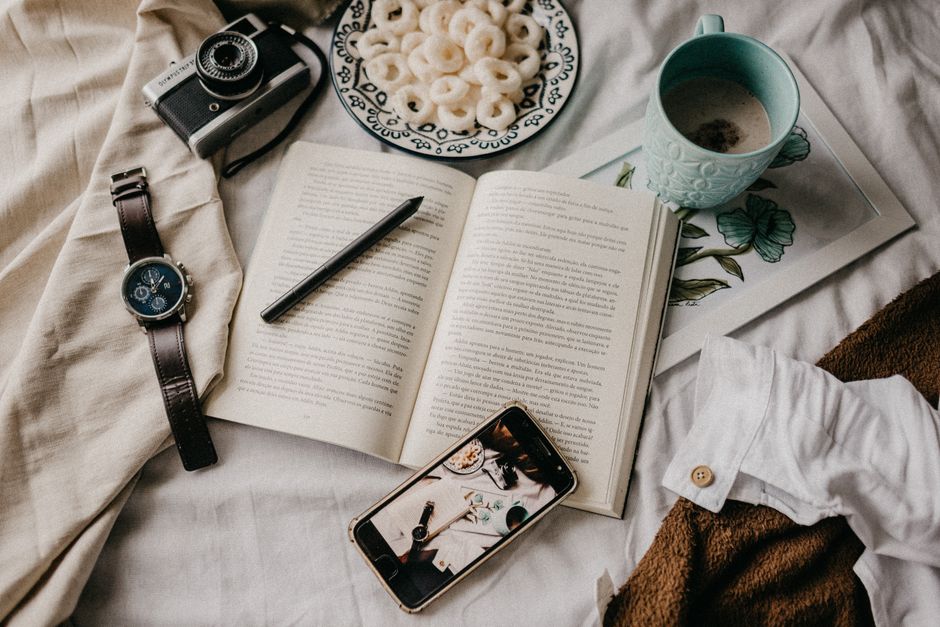
The success of Bookstagram lies in its ability to transform the solitary act of reading into a compelling visual narrative. It’s not just about what you read, but how you present it. This visual language is the foundation upon which influence is built, turning a simple book post into a powerful piece of marketing content.
The Curated Feed as a Personal Brand
Top creators cultivate a distinct aesthetic that functions as their personal brand, attracting followers who share their specific tastes. Whether it’s a dark, moody feed dedicated to gothic fiction, a bright and airy style for contemporary romance, or a minimalist approach for literary fiction, this visual consistency builds trust and creates a dedicated niche audience. Followers don’t just come for a single book review; they come for a curated perspective they can rely on.
Beyond the Cover: Storytelling with Props
The most effective Bookstagrammers are visual storytellers. Props are chosen not just for beauty, but for their ability to evoke a book’s atmosphere. A vintage map and compass might accompany a fantasy epic; pressed flowers and lace might frame a historical romance; a stark, concrete background could signal a gritty urban thriller. Each photo is a diorama, offering a glimpse into the world of the book before the first page is even turned. This artistry makes a book feel like an experience waiting to happen.

Taking the next step becomes straightforward when you have the right support — Become an Ultimate Master of your life is worth exploring.
Taking the next step becomes straightforward when you have the right support — Heal your past, design your future is worth exploring.
Rewriting the Rules of Publishing
The publishing industry, once reliant on traditional advertising and media placements, has been forced to adapt to this new landscape. Marketing budgets have been reallocated, and strategies have been redesigned to court this new class of digital influencers who hold the keys to a vast and engaged readership.
The Advanced Copy Gold Rush
The distribution of Advance Reader Copies (ARCs) has evolved into a strategic seeding of the digital marketplace. Publishers send thousands of pre-release books to creators in the hopes of igniting organic conversations. This investment in user-generated content often provides a far greater return than a costly print ad, creating authentic buzz that a corporate campaign struggles to replicate. An influencer’s unboxing video or first-impression post can set the tone for a book’s launch weeks before it hits stores.
Resurrecting the Backlist
One of the most profound impacts of this movement is its ability to grant books a second life. Titles that had modest success upon release can suddenly explode years later, driven by a new wave of online enthusiasm. Adam Silvera’s They Both Die at the End, originally published in 2017, stormed back onto bestseller lists years later, a testament to the community’s power to resurrect and champion books long after their initial marketing cycle has ended.
The Hidden Costs of a Curated Reading Life
While this digital literary scene has empowered readers, it is not without its complications. The very mechanics that make the platform successful also create a unique set of pressures and potential pitfalls for creators and consumers alike.
The Pressure to Perform and Purchase
The relentless demand for new content can blur the line between hobby and obligation, leading to creator burnout. For followers, the constant exposure to beautifully photographed book stacks and special editions can fuel a “haul culture,” where the act of acquiring books overshadows the act of reading them. This commodification of reading can create a sense of pressure to own the “right” editions or maintain a perfectly organized “shelfie,” shifting the focus from literary engagement to consumerist display.
Algorithmic Echo Chambers
While Bookstagram has amplified many voices, it is also subject to the biases of social media algorithms. Popular books tend to become more popular, creating feedback loops that can dominate feeds. This can make it difficult for lesser-known authors or books that don’t fit a certain visual aesthetic to gain traction, potentially narrowing the scope of discovery for users who rely solely on the platform for recommendations.
Conclusion: A Permanent Shift in Literary Culture
Regardless of its challenges, the rise of the reader-critic on platforms like Bookstagram and its video-based counterpart, BookTok, marks an irreversible change in how literary culture is created and consumed. It has proven that a community connected by a shared passion can be more influential than any single institution. The power to anoint the next literary phenomenon no longer belongs to a select few; it is now in the hands of countless readers, armed with a smartphone and a love for a good story.