
The Curated Shelf: Reading in the Age of the Algorithm
The modern bookshelf is no longer just a repository for stories; it has become a carefully curated gallery, a backdrop for a digital identity. In the world of Bookstagram, the corner of Instagram dedicated to literature, the act of reading has been fundamentally repackaged. What was once a deeply personal escape is now a public performance and a powerful economic engine. This platform didn’t just create a community; it built a marketplace where books are products, readers are consumers, and visual appeal is the primary currency, transforming the entire lifecycle of a book from manuscript to bestseller.
The New Economics of Taste: Visuals as Social Capital
On Bookstagram, a book’s journey to success begins not with a critical review, but with a visually arresting image. The platform’s influence is built on a new kind of social capital, where aesthetic composition and audience engagement translate directly into market value. This ecosystem has its own distinct visual grammar, a set of powerful archetypes that signal genre, mood, and desirability to a scroll-weary audience.
The Art of the Sale: Composing the Perfect Pitch
- The Product Showcase (The Flat Lay): A book is rarely shown alone. Instead, it’s the centerpiece of a meticulously arranged tableau. A fantasy novel might be framed by dried herbs and antique keys, while a contemporary thriller is paired with a stark coffee cup and sunglasses. These props aren’t random; they are marketing signals, selling an entire lifestyle or mood alongside the book itself.
- The Identity Statement (The Shelfie): A photograph of one’s bookshelves serves as a public declaration of taste. Organized by a rainbow spectrum or minimalist aesthetic, the “shelfie” transforms a personal library into a brand identity, showcasing the owner as a serious, dedicated consumer of literary goods.
From Impression to Conversion: The Power of the Caption
If the image is the advertisement, the caption is the sales pitch. Here, influencers post their star ratings, emotional reactions, and compelling quotes. This is not literary criticism in the traditional sense; it’s user-generated proof of a product’s worth. The comment section becomes a real-time focus group, as followers debate the book’s merits and ultimately make purchasing decisions based on the creator’s trusted endorsement.
Market Movers: The Rise of the Literary Influencer
At the center of this new economy are the Bookstagrammers themselves—hobbyists turned professional tastemakers who function as the essential brokers between publishers and the reading public. They have cultivated loyal followings who trust their recommendations far more than traditional advertising. This trust is the foundation of a multi-million dollar marketing channel that has disrupted the publishing world.
Taking the next step becomes straightforward when you have the right support — Heal your past, design your future is worth exploring.
Taking the next step becomes straightforward when you have the right support — Become an Ultimate Master of your life is worth exploring.
The Value of an Early Read
Publishing houses now treat top-tier influencers as key business partners. They strategically distribute Advanced Reader Copies (ARCs) months ahead of a book’s release, effectively outsourcing their initial marketing push. A wave of positive, visually appealing posts about an ARC can generate enough pre-order sales to land a book on a bestseller list before it even hits physical stores. This grassroots buzz, perceived as authentic by followers, is a marketing asset that money can’t easily buy.
Designing for the Digital Storefront
The influence of Bookstagram extends to the very design of the books themselves. Recognizing that a book must first succeed as a visual object on a screen, publishers are fundamentally changing how they package their products.

The Cover as Clickbait
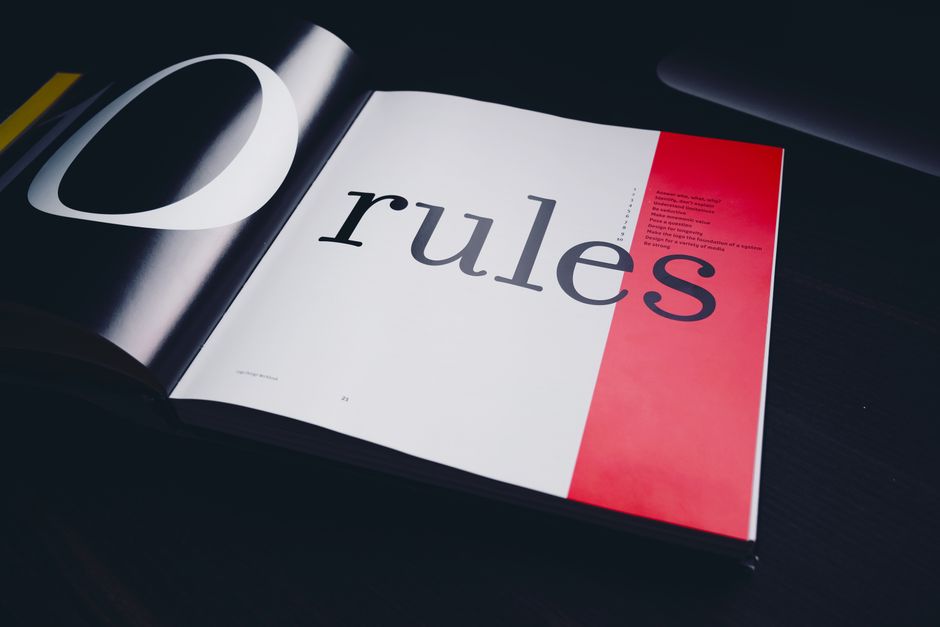
Cover design has shifted to prioritize “thumb-stopping” power. Bold, graphic typography, high-contrast colors, and evocative illustrations are now the norm, designed to be legible and appealing even as a tiny thumbnail in a crowded feed. The book cover is now the first and most important piece of digital marketing material.
Manufacturing Scarcity: The Special Edition Boom
The platform has also fueled an explosive demand for collectible special editions. Features like sprayed or stenciled page edges, custom-designed endpapers, and foil-stamped covers are no longer niche offerings. They are key selling points, creating a sense of urgency and exclusivity. These “Instagrammable” editions turn the book into a luxury good, something to be displayed and photographed as much as read. This trend has also been instrumental in reactivating dormant assets, as seen when older books by authors like Colleen Hoover were re-released with new, visually appealing covers to capitalize on their viral resurgence.
The Hidden Costs of a Curated Life
While this new marketplace has democratized literary discussion and driven record sales, its commercial framework comes with significant downsides. The relentless focus on aesthetics and acquisition has introduced a new set of pressures into the reading life.
The Performance of Reading
The pressure to create polished, professional-looking content can transform reading from a pleasure into a chore. Creators often speak of burnout from the constant need to stage photos and craft engaging captions, a performative labor that can overshadow the simple joy of getting lost in a story. This can create a culture where the appearance of being a reader is more important than the act of reading itself.
When Collections Become Compulsions
The platform’s visual nature inherently promotes consumerism. The endless parade of beautiful new books, special editions, and overflowing “TBR” (To Be Read) piles encourages a culture of acquisition over appreciation. Critics argue that this shifts the focus from engaging with literature to simply owning it, turning bookshelves into monuments of unread potential and fueling a cycle of overconsumption.