
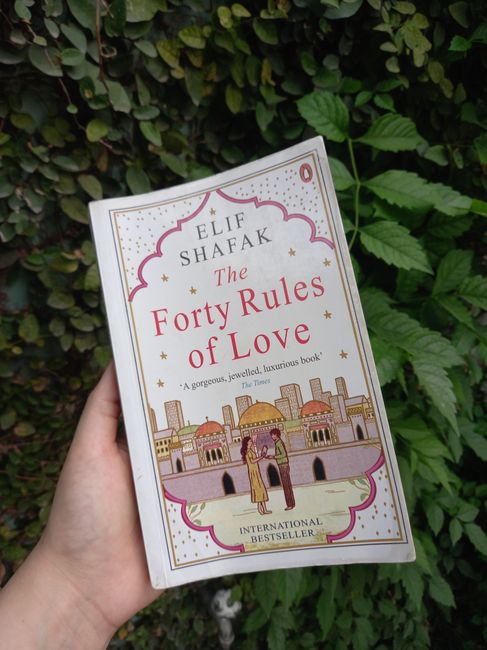
The Evolution from Private Hobby to Public Experience
Reading has traditionally been one of our most intimate and solitary pastimes—a quiet conversation between an author and a single reader. But a cultural transformation, driven by TikTok’s literary corner known as BookTok, has reframed this private act as a vibrant, public, and deeply communal experience. It functions as the world’s largest, most chaotic book club, where the price of admission isn’t a thoughtful critique but a shareable emotional reaction. This shift has not only changed which books we read but has fundamentally altered the very definition of what makes a book valuable in the digital age.
The New Metrics of Literary Worth
In the BookTok ecosystem, traditional measures of literary merit—prose, structure, thematic complexity—take a backseat to a new set of criteria. Value is determined not by critics, but by a book’s capacity to generate a powerful, immediate, and visible emotional response.
The Currency of Emotional Impact
The ultimate five-star review on BookTok is not a well-reasoned essay but a video of a reader sobbing. Books like Hanya Yanagihara’s ‘A Little Life’ or Colleen Hoover’s ‘It Ends with Us’ have become legendary on the platform precisely because they are marketed by their ability to emotionally devastate the reader. Recommendations are not ‘you should read this because…’ but rather ‘read this if you want to be destroyed.’ This focus on the ’emotional payload’ makes the reading experience a shared catharsis, instantly connecting users who have felt the same literary heartbreak.
Reading as a Curated Aesthetic
Beyond raw emotion, BookTok allows users to curate their reading life as part of a broader personal brand or aesthetic. A book is no longer just a story; it’s an accessory that fits a mood. Users search for ‘dark academia’ novels to complement a certain style or ‘cozy fantasy’ to match a quiet weekend vibe. This turns book discovery into a form of lifestyle curation, where the cover, tone, and associated tropes (‘enemies to lovers,’ ‘found family’) are as important as the plot itself, providing a shorthand for the experience a reader is signing up for.
Taking the next step becomes straightforward when you have the right support — Become an Ultimate Master of your life is worth exploring.
Taking the next step becomes straightforward when you have the right support — Heal your past, design your future is worth exploring.
When Readers Become Tastemakers
The most profound change spurred by BookTok is the decentralization of influence. The power to create a bestseller has shifted from established publishing houses and critics to the platform’s user base, creating a more democratic, if unpredictable, literary marketplace.
Storming the Gates of Publishing
For decades, bestseller lists were the domain of major new releases backed by significant marketing budgets. BookTok has upended that model entirely. Suddenly, a heartfelt 30-second video from an unknown reader in their bedroom can give a five-year-old book a second life, propelling it past new titles. This phenomenon has forced the publishing industry to become reactive, watching the platform to see which backlist titles—books published over a year ago—are catching fire and then rushing to meet the organic demand.
The Joy of Collective Discovery
For readers, this creates a thrilling sense of collective discovery. When a title like Taylor Jenkins Reid’s ‘The Seven Husbands of Evelyn Hugo’ explodes years after its release, it feels less like a corporate marketing campaign and more like a community unearthing a hidden gem together. This dynamic fosters a powerful sense of ownership and community among readers who feel they are personally responsible for a book’s newfound success.
The Downsides of the Digital Bookshelf
While BookTok has undeniably fostered a renewed passion for reading, its algorithm-driven nature presents its own set of challenges that can shape reading habits in limiting ways.
- The Algorithmic Funnel: TikTok’s ‘For You’ page is designed to give users more of what they already like. While this is great for finding similar books, it can also create a restrictive feedback loop. A reader who enjoys one popular fantasy romance may soon find their feed exclusively populated by that subgenre, effectively hiding literary fiction, non-fiction, and more diverse works from view.
- The Pressure to Feel: In a space that rewards performative emotion, a strange pressure can emerge for readers to have the ‘correct’ reaction. If a book is trending because it’s ‘devastating,’ readers might feel disappointed or alienated if they don’t share that intense experience, leading to a sense of missing out on the communal moment.
- Trend Fatigue: The velocity of the BookTok hype cycle is relentless. The ‘must-read’ book of the month is quickly replaced, creating a sense of pressure to keep up and leading to ‘trend fatigue,’ where reading starts to feel like a chore rather than a pleasure.
A Permanent Plot Twist
The BookTok phenomenon is far more than a fleeting social media trend. It signals a permanent plot twist in the story of reading itself. It has woven the solitary act of reading into the social fabric of digital life, creating a space where stories are not just consumed but are experienced, shared, and celebrated as a collective. For a new generation of readers, a book’s journey no longer ends on the final page; it begins when they turn on their camera to share how it made them feel.