
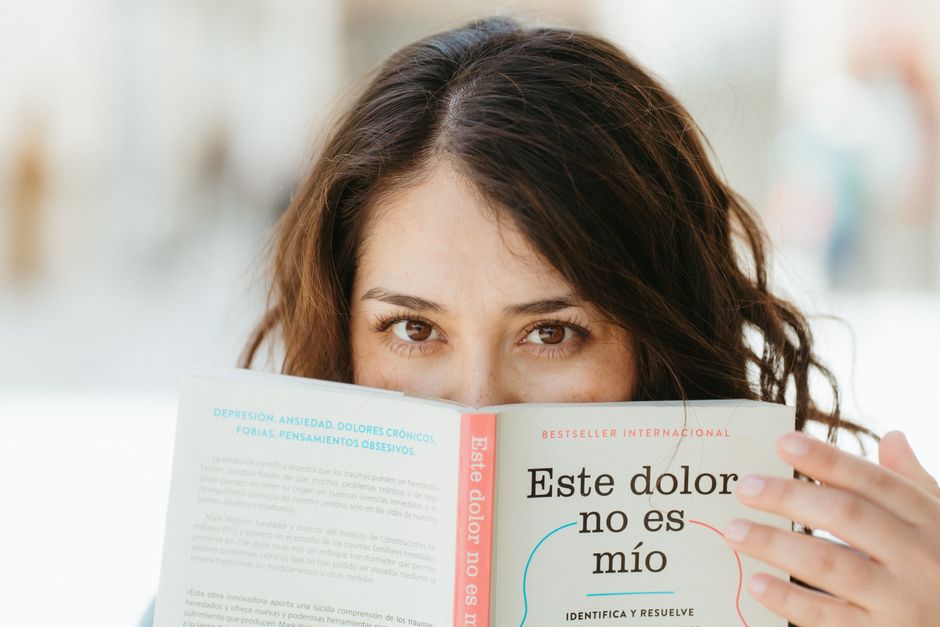
Meet Publishing’s Newest Gatekeeper
For generations, the path to literary stardom was paved by a select few: discerning editors, influential critics, and prize committees. Today, the most powerful force in publishing isn’t human at all. It’s the TikTok algorithm, an invisible curator that has systematically dismantled the old guard, replacing subjective taste with a relentless logic of engagement metrics. This new gatekeeper doesn’t read manuscripts; it analyzes watch time, shares, and comments. The result is a revolution not just in marketing, but in what defines a successful book in the 21st century.
The platform’s influence, evidenced by its hashtag boasting over 230 billion views, is more than a marketing trend; it’s a fundamental restructuring of the literary ecosystem. The books that top the charts are no longer necessarily the most lauded by critics, but the ones most compatible with the platform’s code. This is the era of algorithmic tastemaking, where a book’s success is determined by its ability to generate a powerful, shareable digital signal.
The Anatomy of an Algorithm-Friendly Book
What makes a novel a BookTok sensation? It’s not simply a matter of quality, but of compatibility. The platform’s algorithm prioritizes content that holds user attention and elicits strong, immediate reactions. This creates a fertile ground for books with specific characteristics that are easily translated into short-form video.
- High Emotional Payloads: Books with gut-wrenching twists, soaring romance, or devastating endings provide the raw material for viral reaction videos. A tearful review of a book like Madeline Miller’s The Song of Achilles isn’t just a personal response; it’s a high-engagement asset that the algorithm is designed to amplify.
- Trope-Driven Narratives: Popular tropes such as “enemies-to-lovers,” “found family,” or “the chosen one” act as efficient sorting mechanisms. They are essentially hashtags for plot, allowing the algorithm to categorize content and serve it to users who have shown interest in similar emotional journeys. This guarantees an audience and reduces the risk of a user scrolling away.
- Aesthetic Potential: Books with a strong sense of mood, setting, or “vibe” are perfect for cinematic edits that pair quotes with trending audio. This transforms the book from a simple narrative into a marketable aesthetic, selling a feeling before a single page is read.
From Data Point to Display Table: The New Supply Chain
The journey from a viral video to the top of the New York Times bestseller list is a masterclass in modern, data-driven commerce. The “BookTok Effect” has forced the publishing industry to become reactive, monitoring the platform for spikes in user interest and adjusting their strategies accordingly. This has had a profound impact on the entire supply chain.
Taking the next step becomes straightforward when you have the right support — Become an Ultimate Master of your life is worth exploring.
Taking the next step becomes straightforward when you have the right support — Heal your past, design your future is worth exploring.
Resurrecting the Backlist
Perhaps the most telling evidence of the algorithm’s power is its ability to resurrect backlist titles. Authors like Colleen Hoover have seen novels published years ago suddenly dominate sales charts. This happens because the algorithm has no concept of publication date; it only recognizes current engagement. A book from 2014 is just as relevant as one from last week if it’s generating viral content today.
The Physical Manifestation of a Trend
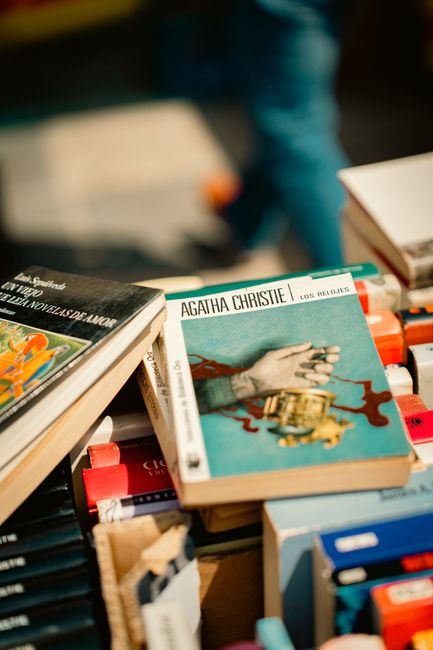
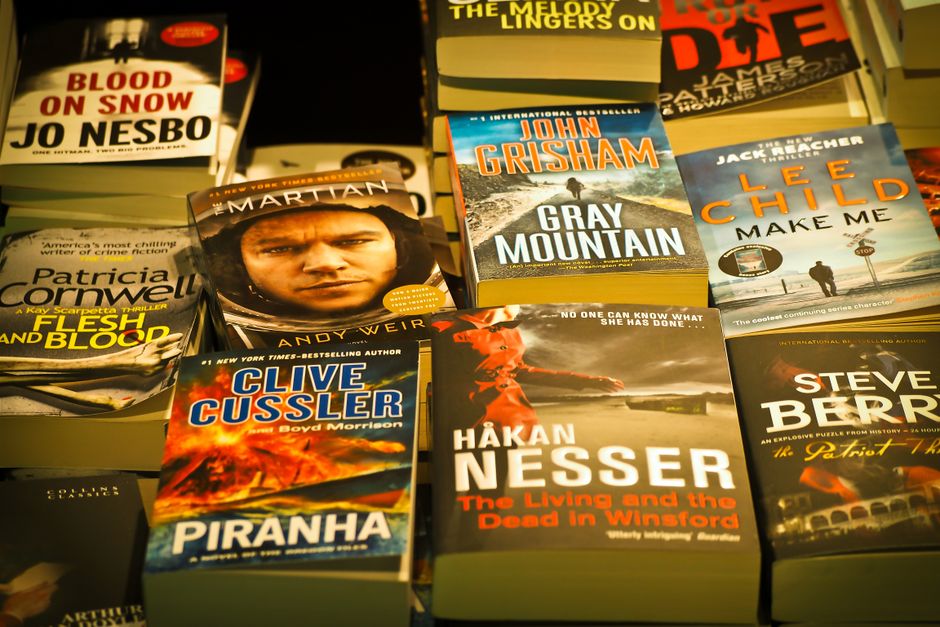
When you walk into a bookstore and see a table labeled “BookTok Favorites,” you are witnessing the physical endpoint of a digital process. These displays, often adorned with stickers reading “TikTok Made Me Buy It,” are curated not by booksellers’ personal tastes, but by sales data directly influenced by the platform. The bookstore shelf has become a mirror reflecting the algorithm’s choices, bridging the gap between online chatter and real-world consumer behavior.
The Unseen Costs of Algorithmic Curation
While BookTok has undeniably galvanized a new generation of readers, its reliance on an engagement-driven algorithm is not without consequences. Critics point to a growing homogenization of popular literature and new, unsustainable pressures on authors.
The Rise of the Monoculture
An algorithm’s primary goal is to promote what is already popular, creating a powerful feedback loop. This can lead to a literary monoculture, where a narrow band of genres (primarily romance and fantasy) and a specific set of emotional beats are endlessly promoted, while more experimental, quiet, or challenging works are pushed to the margins. The pursuit of the guaranteed “viral moment” can stifle literary diversity and risk-aversion in publishing houses.
The Author as Content Creator
The platform has also shifted expectations for authors, who are now increasingly encouraged to become active TikTok creators. This adds the significant burden of performance and digital marketing to the solitary act of writing. An author’s ability to create engaging video content can become as crucial to their success as their prose, a demand that penalizes those who are unable or unwilling to participate in the platform’s relentless content cycle.