

The Unforeseen Sales Spike: Reading Market Signals in the Digital Age
Imagine a bookstore manager in 2021 suddenly fielding dozens of requests for a novel published in 2017. The book, Taylor Jenkins Reid’s The Seven Husbands of Evelyn Hugo, hadn’t been on a recent awards list or optioned for a film. The demand was organic, explosive, and seemingly came from nowhere. This scenario, repeated in stores globally, illustrates the core of BookTok’s influence: it functions as a powerful, real-time market indicator. It has transformed the publishing industry not by replacing old systems, but by creating an entirely new data stream based on authentic reader enthusiasm.
From Emotional Data to Commercial Success
The success of a BookTok recommendation is not rooted in literary criticism but in emotional transference. A video of a reader crying over Madeline Miller’s The Song of Achilles (2011) acts as a potent, unfiltered endorsement. For publishers, this user-generated content is a goldmine of emotional data. Virality directly correlates to a book’s ability to provoke a strong, shareable feeling. This has made emotional resonance a key performance indicator, with certain narrative hooks proving consistently successful:
Taking the next step becomes straightforward when you have the right support — Become an Ultimate Master of your life is worth exploring.
Taking the next step becomes straightforward when you have the right support — Heal your past, design your future is worth exploring.
- High-Stakes Tropes: Concepts like “enemies to lovers” or “found family” provide a reliable emotional framework that algorithms can easily identify and promote to receptive audiences.
- Cathartic Experiences: Books marketed with phrases like “this will emotionally destroy you” are sought after for the intense, cathartic experience they promise, turning reading into a shareable event.
- Peer-to-Peer Trust: Unlike a formal review, a recommendation from a fellow reader carries an implicit trust, which significantly lowers the barrier to purchase for potential buyers.
Turning Publishing Archives into Active Assets
Traditionally, a book’s commercial viability faded months after its release. BookTok has inverted this model, transforming publishers’ backlists from dormant archives into a portfolio of renewable assets. A title can now have multiple sales cycles, years apart, triggered by digital trends. This has fundamentally altered the financial calculus of publishing. According to NPD BookScan, backlist titles drove a staggering 68% of U.S. print sales in 2021, a testament to BookTok’s power to reignite interest in older works. Publishers are now proactively auditing their catalogs, searching for overlooked titles with the emotional hooks that thrive on the platform.
The Logistical Challenge: Aligning Production with Virality
The sudden, massive demand generated by BookTok presents a significant operational hurdle: the supply chain. A viral video can create a need for hundreds of thousands of copies of a book with little to no warning. This has forced the traditionally slow-moving publishing industry to become more agile. Inside major houses, new workflows have emerged where social media monitoring teams are in direct communication with production departments. The moment a title begins to trend, a race begins to schedule emergency reprints and expedite distribution, all to capitalize on the momentum before the digital conversation moves on. This reactive model is a stark departure from the industry’s long-standing, pre-planned production schedules.
The Modern Marketing Toolkit: From Influencers to In-Store Signage
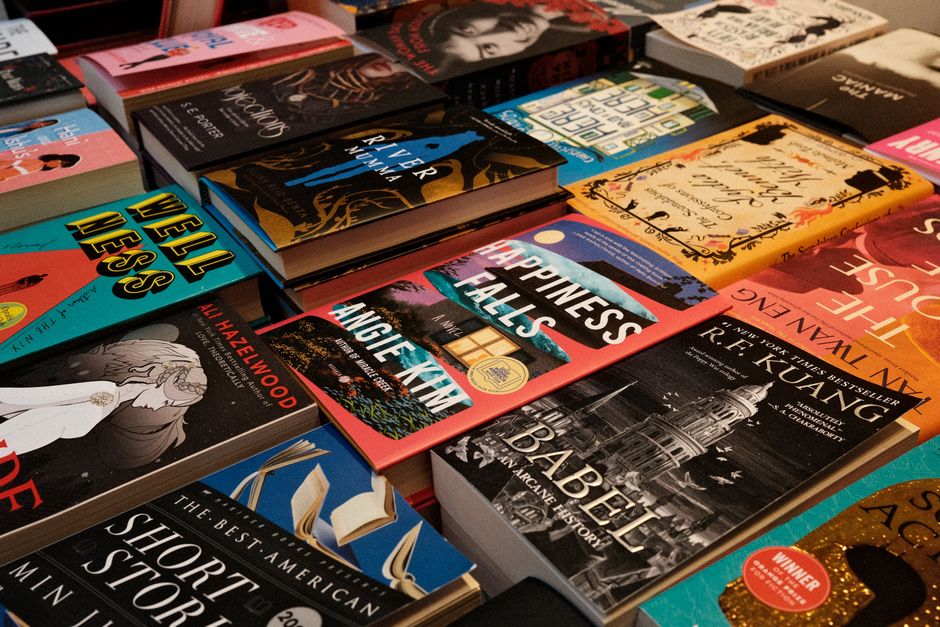
The industry has moved past surprise and is now integrating BookTok into its core strategy. This new playbook blends digital discovery with physical sales tactics. Publishers actively partner with creators, while authors use the platform to build communities directly, fostering a loyalty that extends beyond a single book. This influence is now codified in bookstores themselves. Tables dedicated to “BookTok Favorites,” often branded with official stickers, serve as a powerful in-store signpost. This physical cue closes the loop, translating online hype into tangible sales and validating a browser’s choice. By engaging with the platform, publishers are not just selling books; they are cultivating a new generation of readers. A 2021 survey by the UK’s Publishing Association noted that 59% of people aged 16-25 credited BookTok with renewing their interest in reading, proving the platform’s role as a vital engine for the industry’s future.