
From Digital Whispers to Bestseller Shouts
In the past, the path to literary stardom was paved by critics, prize committees, and high-profile book clubs. Today, it’s forged in the fiery crucible of a 60-second video. Welcome to BookTok, the corner of TikTok that has become the most potent and unpredictable force in modern publishing. This is not a top-down phenomenon dictated by industry insiders; it is a grassroots movement where millions of readers have seized the role of tastemaker, turning personal passion into market-moving power. A heartfelt, tear-filled reaction to a novel’s ending now carries more weight than a starred review, demonstrating a fundamental shift in who gets to decide which stories matter.
The Anatomy of a Viral Recommendation
What makes a BookTok video resonate? It’s less about literary analysis and more about capturing an emotional truth. The platform’s algorithm amplifies content that generates immediate, visceral reactions, and BookTok creators have mastered this language. They don’t just review a book; they sell the experience of reading it.
Selling the Feeling, Not Just the Plot
The most successful content translates the internal experience of reading into a shareable, visual format. This often involves:
Taking the next step becomes straightforward when you have the right support — Become an Ultimate Master of your life is worth exploring.
Taking the next step becomes straightforward when you have the right support — Heal your past, design your future is worth exploring.
- Emotional Climax Reactions: Creators film themselves at a book’s most shocking or heart-wrenching moment, conveying pure, unfiltered feeling without spoilers.
- Trope-Driven Curation: Recommendations are packaged around highly sought-after narrative structures. Instead of genre, they sell concepts like “academic rivals who fall in love” or “a found family that will break your heart,” allowing users to find exactly the emotional journey they crave.
- Aesthetic Moodboarding: Videos set to trending music create a “vibe” for a book, using imagery and short clips to evoke its tone—be it dark academia, summery romance, or epic fantasy.
This focus on emotion and shared tropes creates a powerful sense of community and trust. A recommendation feels less like an advertisement and more like a secret shared between friends.
Reshaping Bookshelves and Business Models
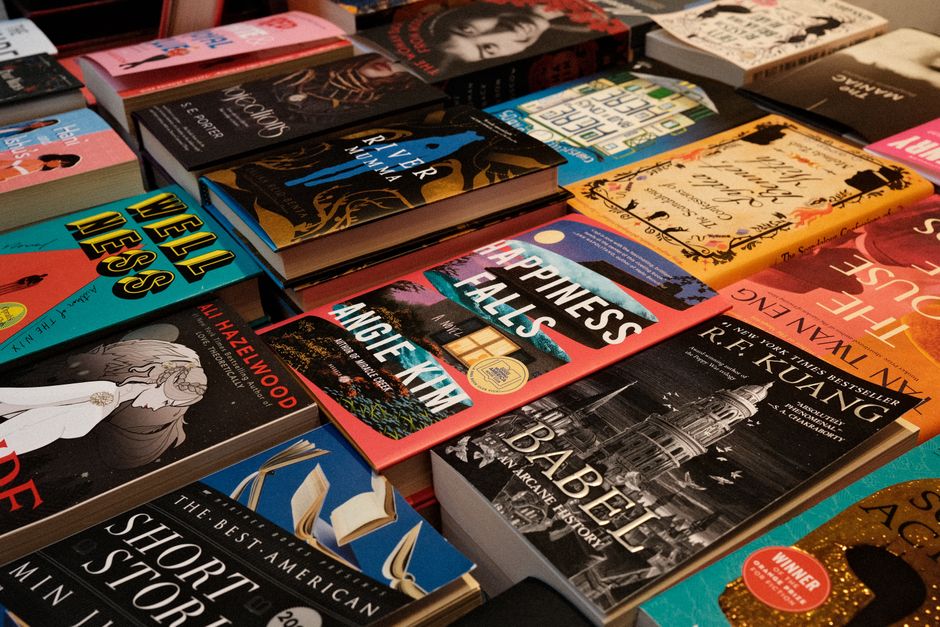
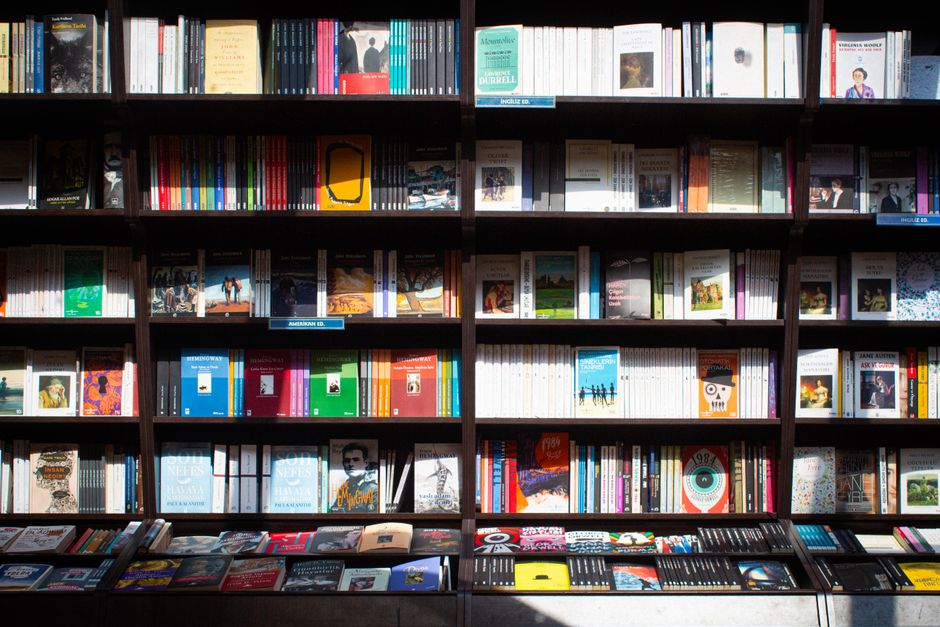
The commercial consequences of this reader-led movement are staggering. Bookstores from Barnes & Noble to independent shops have physically rearranged their layouts, dedicating prime real estate to “Trending on BookTok” displays. These tables often outperform sections dedicated to new releases, proving the community’s direct impact on consumer behavior.
Excavating Literary Gold
Perhaps BookTok’s most significant disruption is its ability to defy the publishing industry’s focus on the new. It has become a powerful engine for rediscovering backlist titles—books published years or even decades ago. Taylor Jenkins Reid’s The Seven Husbands of Evelyn Hugo (2017) and Madeline Miller’s The Song of Achilles (2011) found massive new audiences long after their initial marketing cycles had ended. This has rewritten the rules of a book’s lifecycle, proving that a powerful story is timeless and can be ignited by a single viral video at any moment.
The Author in the Age of the Algorithm
For authors, BookTok is a double-edged sword. It offers an unprecedented direct line to readers, allowing writers to build a dedicated fanbase and engage with their audience personally. Authors like Olivie Blake, who self-published The Atlas Six, built such a significant following on the platform that she landed a major traditional publishing deal. However, this new landscape brings immense pressure. Authors are increasingly expected to be content creators, mastering the art of the short-form video to promote their own work. This dual role can be creatively draining and shifts the focus from writing to marketing, raising concerns about author burnout and the pressure to conform to algorithm-friendly trends.
The Reader is the New Gatekeeper
The BookTok effect is not a passing fad but a systemic change in the cultural conversation around books. It has democratized literary influence, proving that a community of passionate readers can be more powerful than a multi-million-dollar marketing budget. While critics and publishers still play a vital role, they now share the stage with an army of creators who have proven that in the digital age, the most valuable endorsement is an authentic, emotional connection. The power has shifted, and the readers are now leading the charge.