
The Algorithm as a Zero-Cost Focus Group
In the traditional publishing model, determining the next bestseller was a high-stakes gamble, relying on editorial instinct, agent pitches, and expensive market research. Today, the industry has access to a live, global focus group that runs 24/7: BookTok. The platform’s algorithm doesn’t just recommend content; it harvests immense quantities of data on reader appetite. Every lingering view on a video about “academic rivals who fall in love” or every share of a clip praising a “morally grey female protagonist” is a data point. Publishers can now observe trends coalescing in real-time, effectively de-risking their acquisitions. A manuscript that aligns with a surging BookTok trope is no longer a speculative bet but a data-backed investment.
Taking the next step becomes straightforward when you have the right support — Heal your past, design your future is worth exploring.
Taking the next step becomes straightforward when you have the right support — Become an Ultimate Master of your life is worth exploring.
From Press Release to Viral Post: The New Marketing Playbook
The journey from book to reader has been radically rerouted. The old path, paved with trade reviews, author tours, and carefully placed print ads, has been superseded by a more dynamic and unpredictable, yet powerful, digital pipeline. This new marketing funnel is built on authenticity and community participation:
- The Spark: It begins not with a formal announcement, but with an unpolished, genuine reaction from a single reader. A video showing someone sobbing, laughing, or gasping over a specific passage creates an immediate emotional hook that polished ad copy cannot replicate.
- The Ignition: The algorithm pushes this authentic content to like-minded users. The community then amplifies it through stitches, duets, and comment-section debates, creating a groundswell of conversation. The book becomes a shared cultural object before many have even read it.
- The Conversion: This widespread digital buzz translates directly into commercial action. Viewers rush to online retailers or, increasingly, to physical bookstores to get their hands on the book that everyone is talking about, eager to join the collective experience.
Unlocking Dormant Assets: The Backlist Gold Rush
One of the most profound economic impacts of BookTok has been its ability to transform a publisher’s backlist—older titles with dwindling sales—from dormant inventory into a significant revenue stream. These are books whose original marketing budgets were spent years ago. Yet, a viral trend can reignite interest and drive sales that dwarf their initial performance, all with minimal new investment from the publisher. For instance, Madeline Miller’s 2011 novel The Song of Achilles languished for nearly a decade before BookTok creators discovered its tragic romance, catapulting it to the top of bestseller lists in 2021. Similarly, Taylor Jenkins Reid’s The Seven Husbands of Evelyn Hugo (2017) became a perennial fixture on the charts years after its release, sustained entirely by a continuous cycle of viral reader recommendations. This phenomenon has turned backlist curation into a central part of modern publishing strategy.
Closing the Loop: How Digital Trends Remade the Physical Bookstore
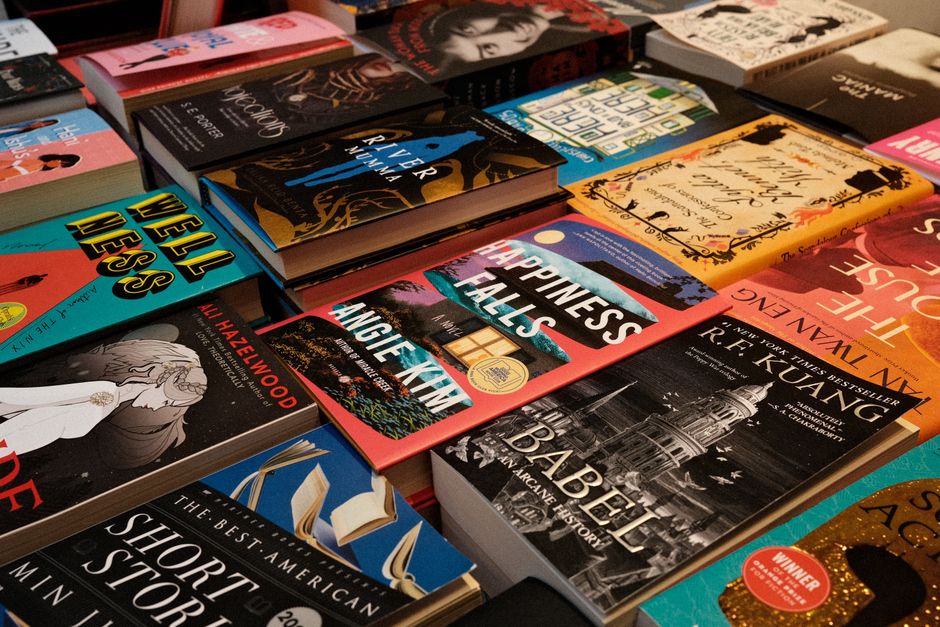
The BookTok effect is not confined to the digital realm; it has tangibly reshaped the brick-and-mortar retail environment. Walk into any major bookstore today, and you are almost guaranteed to find a prominent display table with a sign that reads “As Seen on BookTok” or “BookTok Favorites.” This isn’t just clever marketing; it’s a fundamental shift in merchandising strategy. Retailers are now curating their physical spaces based on TikTok’s digital trends. This direct feedback loop—where an online conversation dictates physical product placement—demonstrates the platform’s complete integration into the book industry’s supply chain, influencing what is not only published but also how it is physically presented to the consumer.