
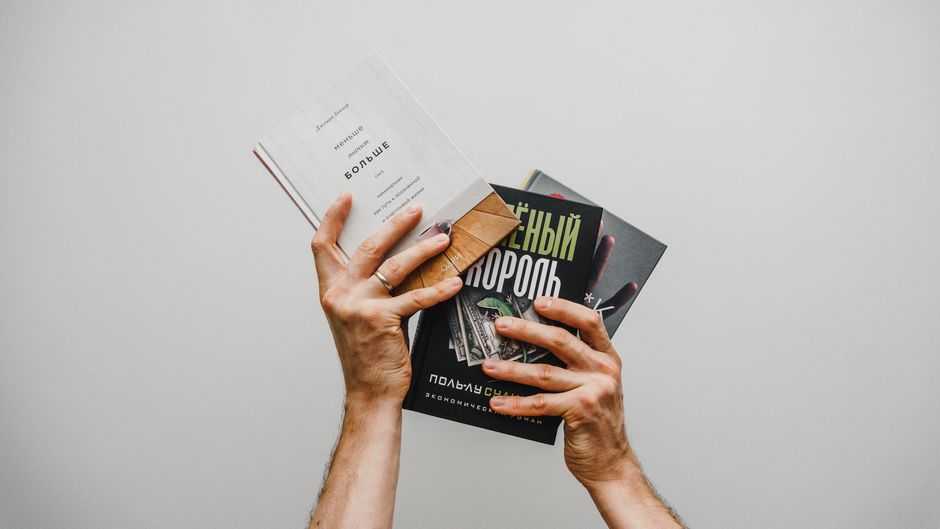
From Page to Pixel: The New Literary Supply Chain
A novel no longer begins its journey in a printing press; it begins with a calculated digital strategy. In the age of social media, a book’s commercial success is inextricably linked to its life online, particularly within the vibrant, visual ecosystem of Bookstagram. This hashtag-driven community has evolved beyond a simple gathering of readers into a formidable economic engine, creating a new supply chain where influencers are distributors, aesthetics are currency, and a single viral post can mint a bestseller years after its publication. Understanding this world means deconstructing how a physical object—the book—is transformed into a digital commodity, reshaping the very business of reading.
The Product Reimagined: Designing for the Digital Gaze
Before a Bookstagrammer ever opens a book, they see its cover. Publishers have adapted to this reality, recognizing that a book’s first impression is no longer on a physical bookstore shelf but on a brightly lit smartphone screen. This has given rise to a design philosophy centered on “scroll-stopping” power. Covers now function as miniature advertisements, optimized for visual appeal in a crowded feed. Think of the rise in elaborate foil stamping, bold, sans-serif typography, and illustrated covers with high-contrast color palettes. These are not just artistic choices; they are strategic decisions designed to make a book photogenic, shareable, and ultimately, desirable as a lifestyle accessory as much as a story.
Taking the next step becomes straightforward when you have the right support — Become an Ultimate Master of your life is worth exploring.
Taking the next step becomes straightforward when you have the right support — Heal your past, design your future is worth exploring.

The New Tastemakers: From Reader to Retail Partner
At the heart of the Bookstagram economy are the creators, who have professionalized the act of recommendation. These individuals are far more than just hobbyist reviewers; they are multi-skilled digital marketers who build communities around trust and a curated aesthetic. A successful Bookstagrammer is a photographer, a copywriter, a critic, and a community manager rolled into one. They create compelling visual narratives around a book—placing it in a cozy, aspirational setting or showcasing its stunning design—that evoke an emotional response from their followers. Through affiliate links and sponsored posts, they have become direct partners in the sales process, turning their digital bookshelf into a powerful, decentralized storefront. Their authentic passion, when combined with marketing savvy, often proves more persuasive than traditional advertising.
The Viral Catalyst: How Authenticity Fuels the Algorithm
What turns a good book into a global phenomenon? On Bookstagram, it’s often a spark of genuine enthusiasm that catches fire within the platform’s algorithm. Books like Colleen Hoover’s It Ends With Us saw explosive, chart-topping resurgences years after their initial release, not because of a publisher’s marketing push, but because of a groundswell of reader-to-reader endorsements. A heartfelt video, a tearful review, or a passionate discussion in the comments can trigger a chain reaction. The algorithm rewards this high-engagement content, pushing it to a wider audience and creating a feedback loop of discovery and purchase. This democratization of influence means that a book’s fate is no longer solely in the hands of professional critics; it’s decided by the collective voice of an engaged digital readership.
The Hidden Costs of a Curated Canon
While this new ecosystem has undeniably boosted book sales and fostered a love of reading, it also presents complex challenges. The emphasis on photogenic books can lead to an aesthetic homogenization, where certain types of covers and genres are perpetually favored. Furthermore, the constant need to create content can transform reading from a private pleasure into a public performance, risking creator burnout. Critics also point to the potential for algorithmic bias, where the same popular books and creators are amplified, making it harder for lesser-known and marginalized authors to break through the noise. The community is actively grappling with these issues, striving to balance the platform’s commercial power with a commitment to diverse and thoughtful literary engagement.