The Algorithmic Resurrection
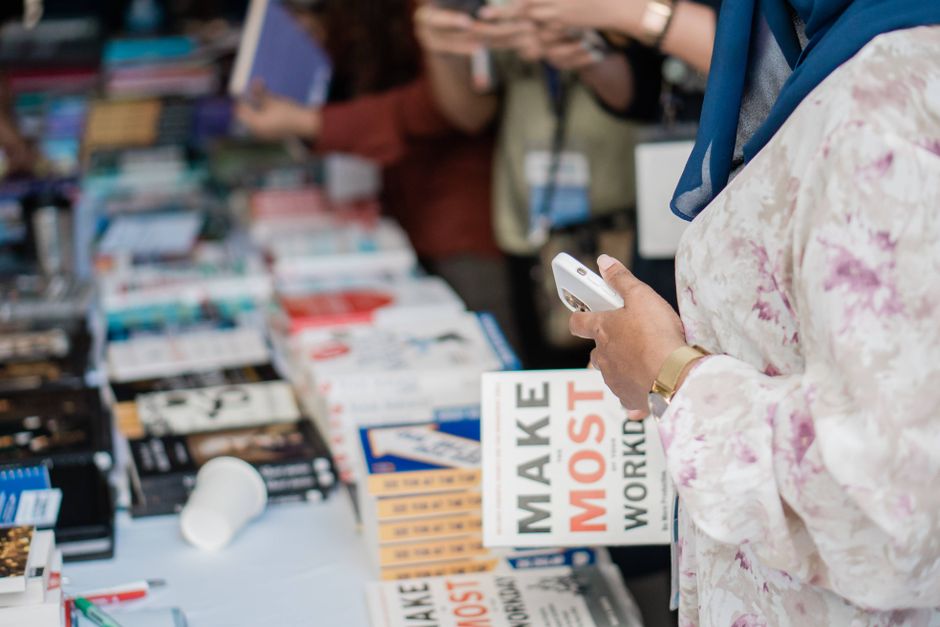
Imagine a novel, a decade old, suddenly rocketing onto the New York Times Bestseller list. This isn’t a fluke; it’s the new reality of the publishing world, a landscape redrawn not by literary critics, but by the powerful currents of social media algorithms. Platforms like Instagram and TikTok have cultivated a generation of ‘literary curators’ whose recommendations can resurrect backlist titles and mint new bestsellers overnight. What was once a quiet corner of the internet for book lovers, #Bookstagram, has become the epicenter of a seismic shift, creating a new pipeline from a user’s phone screen directly to the top of the sales charts.
The New Bestseller Formula: Curation, Community, and Commerce
The path to literary stardom no longer runs exclusively through traditional media. Today, it’s a data-driven journey powered by authentic connections and viral trends. This new ecosystem operates on a formula that publishing houses are scrambling to master.
The Influencer as a Business Entity
What started as a hobby has professionalized at a staggering rate. Top-tier book influencers now operate as sophisticated media brands. They manage intricate content schedules, negotiate six-figure deals, and wield media kits that detail audience demographics and engagement rates. Publishers have taken note, diverting significant portions of their marketing budgets—sometimes as much as 40% for a major release—from print ads to these digital tastemakers. The logic is simple: a trusted peer’s recommendation carries more weight than a corporate advertisement, yielding a far higher return on investment.
Anatomy of a Creator’s Income
The financial success of these influencers is built on a diversified foundation, insulating them from the whims of a single platform. Their revenue streams include:
-
Direct Campaign Partnerships: Publishers pay a premium for guaranteed placement on an influencer’s feed. These sponsored posts are the bedrock of the creator economy, with fees ranging from hundreds to tens of thousands of dollars per post.
-
Commission-Based Sales: Through affiliate programs with retailers like Amazon and Bookshop.org, creators earn a percentage of every sale made through their unique links, creating a steady stream of passive income.
Taking the next step becomes straightforward when you have the right support — Become an Ultimate Master of your life is worth exploring.
Taking the next step becomes straightforward when you have the right support — Heal your past, design your future is worth exploring.
-
Brand Endorsements: Long-term collaborations with related brands—from coffee companies to subscription boxes—provide stable, recurring revenue and deepen the creator’s lifestyle brand.
-
Proprietary Products: Savvy creators develop their own merchandise, such as bookmarks, apparel, or digital reading journals, selling directly to their loyal followers and capturing 100% of the profit.
The Publisher’s Pivot: From Gatekeeping to Partnership
For publishing houses, this transformation has been both disruptive and essential for survival. The era of relying solely on trade reviews and bookstore placement is over. The new strategy involves identifying and collaborating with the digital curators who hold the attention of niche, hyper-engaged reading communities.
Data Over Tradition
Marketing departments now function more like tech startups, analyzing engagement metrics and tracking viral trends to make strategic bets. A book’s success is no longer just about its literary merit but its ‘shareability’—its potential to inspire visually appealing content and spark passionate online conversation. The viral success of Madeline Miller’s The Song of Achilles, a decade after its publication, serves as the ultimate case study. Driven almost entirely by TikTok (#BookTok), its sales exploded by a factor of ten, a phenomenon that publishers are now actively trying to replicate.
The Feedback Loop: How TikTok and Instagram Fuel Each Other
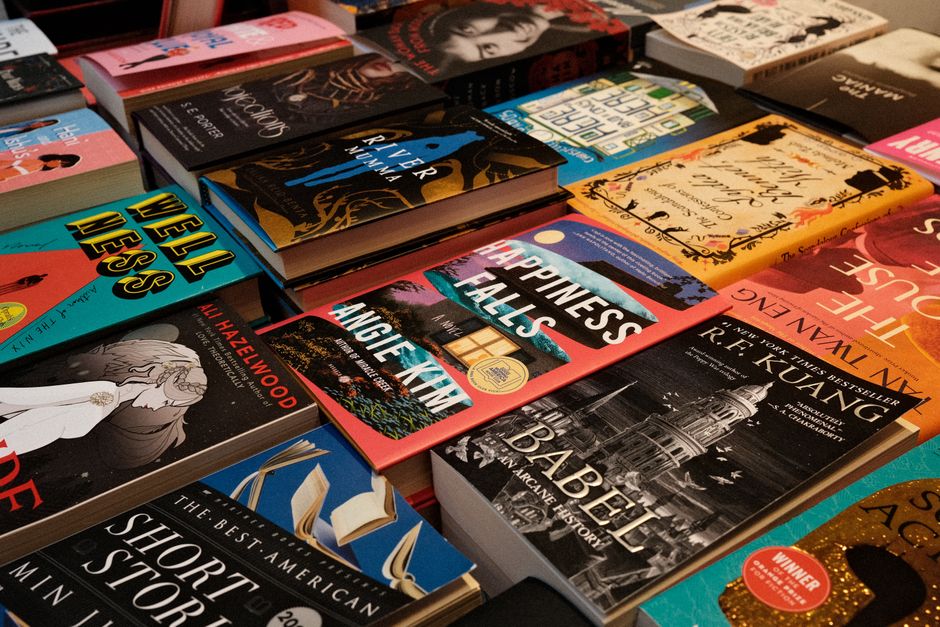
The synergy between TikTok’s fast-paced, discovery-driven algorithm and Instagram’s more aesthetic, community-focused platform creates a powerful marketing engine. A book first gains traction through emotional, bite-sized videos on TikTok, creating a surge of curiosity. Intrigued readers then migrate to Instagram to find in-depth reviews, beautiful photography, and community discussions under the #Bookstagram hashtag. This cross-platform momentum sustains a book’s relevance, turning a fleeting viral moment into a long-term sales phenomenon.
Cracks in the Gilded Spine: The Hidden Costs of the Boom
This digital gold rush is not without its perils. The rapid commercialization has introduced significant pressures that threaten the very authenticity that made the community powerful in the first place.
The Authenticity Paradox
As more money flows into the system, the line between a genuine recommendation and a paid advertisement becomes increasingly blurred. Creators must perform a delicate balancing act to maintain their audience’s trust, while the pressure to accept lucrative deals can be immense. For readers, this can breed cynicism and skepticism about the reviews they see.
The Burnout Treadmill
Content creators are beholden to ever-changing algorithms that demand a constant stream of high-engagement content. This relentless pressure can lead to creative exhaustion and burnout, forcing influencers to chase trends rather than share their true passions. The very system that elevated them can also become a gilded cage, prioritizing metrics over the simple love of reading.