The End of the Gatekeepers
For generations, the path to literary stardom was a well-guarded road, with publishers, esteemed critics, and major media outlets acting as the gatekeepers. They decided which stories were told and which authors were celebrated. That era is over. A seismic shift has occurred, transferring the power of literary influence from boardrooms and newsrooms into the hands of millions of readers. Through platforms like Instagram, these readers have become the new curators, building a decentralized network that dictates trends, creates bestsellers, and forces an entire industry to adapt to their collective taste.
The New Economics of Trust
The engine of this revolution is not corporate marketing, but peer-to-peer trust. A recommendation from a ‘Bookstagrammer’ carries the weight of a conversation with a friend, not the impersonal gloss of an advertisement. This authenticity is a currency that traditional campaigns cannot buy. In this new economy, influence is built on genuine connection and shared passion, creating a powerful feedback loop where a single heartfelt post can ignite a sales phenomenon far more effectively than a high-budget press tour. Publishers are no longer just selling to an audience; they are participating in a conversation started and sustained by the audience itself.
The Anatomy of a Reader-Led Campaign
This new form of literary promotion has its own distinct methodology, driven by user creativity:
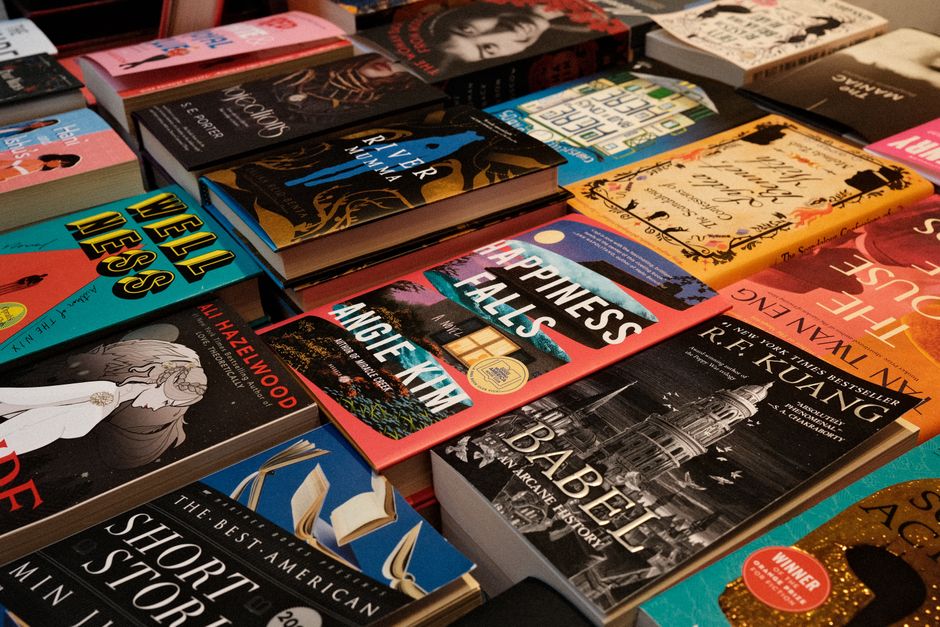
- The Visual Pitch: A book’s journey often begins with a single, compelling image. Creators meticulously stage photos that capture a novel’s mood and aesthetic, turning their feed into a virtual bookstore window that is both personal and persuasive.
- The Emotional Verdict: Formal critique is replaced by raw, emotional testimony. Reviews focus on the visceral experience of reading—the tears, the laughter, the shocking twists—making the book feel like an essential emotional journey rather than just a product.
- Network Amplification: Through shared hashtags, buddy reads, and interactive challenges, individual opinions coalesce into a massive, unified trend. This creates a sense of communal discovery, encouraging thousands to read and share the same book simultaneously.
How the Publishing Industry Is Playing Catch-Up
This reader-led movement has sent shockwaves through the publishing world, forcing fundamental changes to long-established practices. The industry is no longer just proactive; it has become reactive, adapting its strategies to follow the trends set by its own customers.
Taking the next step becomes straightforward when you have the right support — Become an Ultimate Master of your life is worth exploring.
Taking the next step becomes straightforward when you have the right support — Heal your past, design your future is worth exploring.
Mining the Backlist for Gold
One of the most profound impacts is the ‘backlist renaissance.’ Books published years ago, with their marketing budgets long since spent, are being rediscovered and propelled onto bestseller lists. Taylor Jenkins Reid’s ‘The Seven Husbands of Evelyn Hugo’ (2017) is a prime example, exploding in popularity years after its release thanks to sustained online buzz. This has taught publishers that a book’s life cycle is no longer finite and that their own back catalogs contain untapped assets waiting to be activated by the right online community.
Designing for the Digital Shelf
The physical bookshelf has been superseded by the Instagram feed, and cover design has changed accordingly. In a fast-scrolling visual environment, covers must be immediately arresting. This has led to a surge in bold, graphic-driven designs with bright colors and eye-catching typography, engineered to be ‘shareable’ and stand out in a crowded digital space. A 2022 industry analysis noted that ‘Instagrammability’ is now a key consideration in the majority of cover design briefs.

The Burdens of a Democratized Culture
While this shift has empowered readers, it has also introduced a new set of pressures and potential pitfalls. The very mechanisms that create viral hits can also foster a more uniform literary landscape.
The Pressure to Perform
For creators, a passion for reading can morph into a content-creation treadmill. The demand for constant, aesthetically pleasing, and engaging posts can lead to burnout, turning a beloved hobby into a source of anxiety. The pressure to read quickly and review performatively can strip away the quiet, personal joy of getting lost in a book.
The Tyranny of the Trend
Algorithms, by their nature, reward popularity. This can create powerful echo chambers where a handful of books dominate the conversation, making it difficult for quieter, less visually adaptable, or unconventional novels to find an audience. While democratizing influence, this system risks creating a new kind of monoculture, where the bestseller list becomes a reflection of what is algorithmically favored rather than a true representation of literary diversity.