
From Passion Project to Economic Engine
What started as a digital scrapbook for book lovers has evolved into a complex and powerful micro-economy. Bookstagram is no longer just a hashtag; it is a decentralized marketplace that has fundamentally altered the financial and marketing calculus of the entire publishing industry. This platform transformed the solitary hobby of reading into a quantifiable, monetizable, and influential force, creating new careers, reviving old titles, and establishing a direct-to-consumer pipeline that bypasses traditional media gatekeepers. It operates on its own unique principles of value, currency, and labor.
The Currencies of Influence
In the Bookstagram economy, value is not measured in dollars alone. Influence is built upon a portfolio of intangible assets that creators cultivate and leverage, which publishers and authors now seek to acquire.
Visual Capital: The Aesthetic as Asset
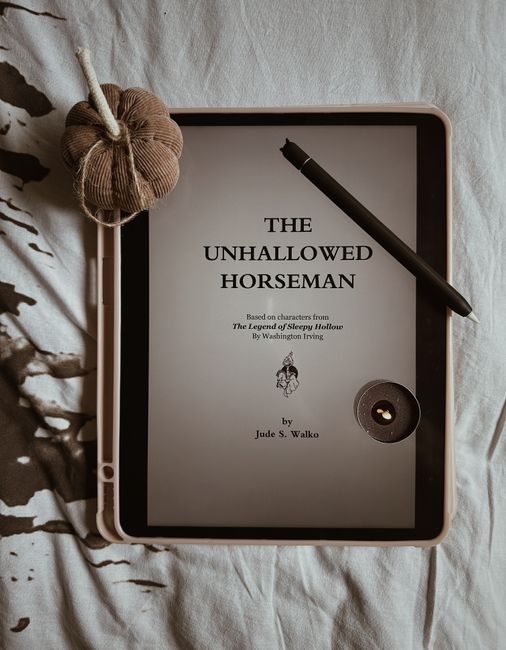
The core transaction on Bookstagram is visual. A carefully composed photograph—the classic “flat lay” with a book, a coffee cup, and seasonal props—is not merely a picture; it is an asset. This “visual capital” generates engagement (likes, shares, saves), which is the platform’s primary metric of value. A book’s cover design has become a crucial factor in its marketability, as its “Instagrammability” directly correlates with its potential for organic discovery and viral spread.
Trust as a Commodity
The most valuable commodity in this economy is trust. A Bookstagrammer’s authentic, passionate recommendation is a form of social currency that holds more weight for their followers than a formal review from a legacy publication. This trust is built over time through consistent, genuine engagement and can be “spent” to drive sales for a book. Publishers invest in this commodity through partnerships, effectively buying access to a creator’s trusted relationship with their audience.

Taking the next step becomes straightforward when you have the right support — Heal your past, design your future is worth exploring.
Taking the next step becomes straightforward when you have the right support — Become an Ultimate Master of your life is worth exploring.
The ARC: Seed Funding for Hype
The Advance Reader Copy (ARC) functions as a form of venture capital. Publishers distribute these pre-release books to influential creators not as free gifts, but as seed investments. The goal is to generate a groundswell of early reviews and social media buzz, creating a speculative bubble of anticipation that, ideally, bursts into a wave of sales on publication day. This system turns creators into key stakeholders in a book’s launch campaign.
Market Dynamics: Reshaping a Century-Old Industry
The collective economic activity on Bookstagram has sent disruptive tremors through the established publishing world, creating new winners and losers and rewriting the rules of book marketing.
Disrupting Traditional Gatekeepers
For decades, the path to a bestseller list was controlled by a small group of professional critics, literary journals, and major retailers. Bookstagram disrupted this model by creating thousands of new tastemakers. These reader-influencers proved that peer-to-peer recommendations could be more powerful than a formal critique, effectively democratizing the power to anoint a hit.
The Backlist Boom: A New Revenue Stream
One of the most significant economic impacts has been the revival of backlist titles—books published years or even decades ago. A popular Bookstagrammer’s focus on an older book can trigger a cascade of renewed interest, driving it back onto bestseller lists and creating unforeseen revenue for publishers from their existing assets. This phenomenon demonstrates the platform’s power to create new market demand where none previously existed.
The Hidden Costs of the Digital Shelf
Like any economy, the Bookstagram marketplace has its externalities and labor issues, creating pressures that are often invisible to the casual observer.
The Uncompensated Labor of Content Creation
The pressure to produce a constant stream of high-quality, aesthetically pleasing content is immense. This work—which includes reading, photography, editing, writing captions, and community management—is often under-compensated or performed entirely for free in exchange for books. This dynamic can lead to significant creator burnout, highlighting the labor challenges within this new gig economy for literary enthusiasts.
Market Inequities and Barriers to Entry
The Bookstagram market is not a perfect meritocracy. Algorithmic biases and existing social networks often favor mainstream creators and commercially backed books from large publishers. This creates significant barriers to entry for marginalized authors and creators, leading to ongoing conversations about the need for more equitable visibility and the promotion of diverse voices to prevent the marketplace from becoming a monoculture.
The New Balance Sheet for Literature
The rise of Bookstagram represents a permanent economic shift. It proved that a community built on shared passion could become a formidable market force. The modern publisher’s balance sheet must now account for new intangible assets like creator relationships, social media buzz, and visual appeal. The platform has irrevocably linked the act of reading to the acts of sharing, performing, and consuming, creating a new economic reality where a single, beautiful photo can be worth a thousand sales.