
The Reader’s Paradox: When a Love for Books Becomes Content Labor
It starts with a genuine desire to connect. You finish a breathtaking novel and want to share that feeling with a community that understands. You join Bookstagram. But soon, the simple joy of sharing is complicated by a new set of demands. The platform asks not just for your opinion, but for your time, your aesthetic sense, and your consistent performance. This is the central paradox for the modern digital reader: can you celebrate your passion in a space that systematically turns passions into products? The line between hobbyist and unpaid content creator blurs, forcing many to confront whether their digital bookshelf is a place of joy or a source of stress.
The Currency of Curation: Aesthetics and Algorithms
On Bookstagram, influence is a form of currency, and it’s minted through carefully curated visuals and algorithmic favor. The platform, with its 100 million+ #bookstagram posts, operates on an economy of attention, where not all content is valued equally. Success is often predicated on mastering a visual and logistical game that has little to do with the act of reading itself.
The Performance of Reading
A book is rarely just a book on Bookstagram. It’s a key element in a visual narrative. Whether it’s the moody intellectualism of a ‘dark academia’ flat lay or the vibrant, color-coded organization of a ‘shelfie,’ the pressure is to create a marketable aesthetic. This transforms reading from an internal experience into an external performance. The choice of what to read can become influenced by a book’s cover design or its relevance to a trending aesthetic, rather than its literary merit alone. This curated perfection creates a high barrier to entry and can overshadow the very stories being celebrated.
The Algorithmic Treadmill
Instagram’s algorithm functions as the central bank in this economy, rewarding high engagement and consistency. To stay visible, creators are pushed onto a content treadmill: post frequently, use trending audio in Reels, engage in comments sections for hours, and craft compelling captions. This relentless cycle turns a leisurely hobby into a structured, demanding job. The quiet moment after finishing a chapter is replaced by the pressing question: “How can I turn this into content that the algorithm will like?” This pressure is a direct path to creative and emotional exhaustion.
The Emotional Ledger: Accounting for Burnout
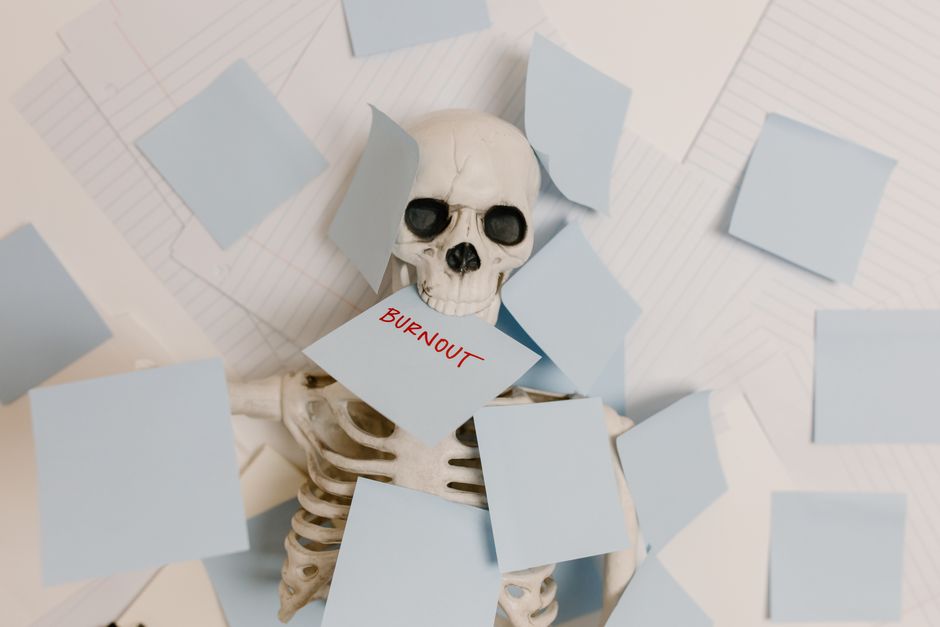
The transition from sharing a hobby to managing a brand has significant emotional costs. The constant need to produce, perform, and measure up can lead to a profound sense of burnout, straining the very relationship with reading that the account was meant to celebrate.
Taking the next step becomes straightforward when you have the right support — Become an Ultimate Master of your life is worth exploring.
Taking the next step becomes straightforward when you have the right support — Heal your past, design your future is worth exploring.
Reading for the Feed
One of the most insidious side effects is when reading choices are no longer driven by personal curiosity but by content strategy. A Bookstagrammer might choose a hyped new release over a backlist title they’re genuinely interested in, simply because it will perform better. As author and digital culture analyst Sarah Z. points out, this creates a feedback loop where the platform dictates literary trends, and personal taste takes a backseat to public demand. The act of reading becomes a means to an end—the end being a post.

The Weight of Social Comparison
The platform is a highlight reel of literary success. It showcases users receiving coveted advance reader copies (ARCs), announcing brand partnerships, and displaying massive personal libraries. For many, this creates a fertile ground for comparison and inadequacy. It introduces a competitive element into a deeply personal activity, making one’s own reading journey feel insufficient. This ‘comparison debt’ can accumulate, creating anxiety and diminishing the joy of reading.
Auditing Your Digital Bookshelf: A Path to Sustainability
Escaping the burnout cycle doesn’t mean abandoning the community. It means consciously auditing your engagement and redefining your purpose on the platform. It’s about making the platform work for you, not the other way around.
Diversify Your Metrics
Detach your sense of success from quantifiable metrics like likes and followers. Instead, find value in qualitative experiences. Did you have a meaningful conversation with one person in your comments? Did you discover a new favorite indie author? Did you inspire someone to pick up a book they now love? Focusing on these personal wins can insulate you from algorithmic whims.
Schedule a Content Moratorium
Give yourself permission to read without the obligation to post. Designate certain books as ‘just for you.’ Take planned breaks from the app, whether for a weekend or a whole week. Stepping off the content treadmill is essential to remembering that reading is, first and foremost, a personal pleasure and a form of escape, not a content mine.
The Next Chapter: Redefining Literary Influence
The Bookstagram community is not static. A growing awareness of these pressures is fueling a counter-movement toward a more authentic and sustainable form of literary engagement. The future of Bookstagram may lie in its rejection of the very perfection it once championed.
The Rise of the Unfiltered
Influenced by the candid, often chaotic energy of BookTok, a new wave of creators is embracing imperfection. We’re seeing more posts about reading slumps, honest reviews of disappointing books, and ‘Did Not Finish’ (DNF) piles celebrated as a valid part of a reading life. This shift prioritizes personality and honesty over polished aesthetics, making the space more relatable and less intimidating.
From Influencer to Book-Lover
Ultimately, the community is in the midst of a conversation about its own values. The narrative is shifting from broadcasting a perfect reading life to sharing a real one. By openly discussing burnout, setting boundaries, and celebrating the messy, imperfect reality of being a reader, users are slowly reclaiming the space. The goal is evolving: from being a top ‘influencer’ to simply being a fellow book-lover in a vast, digital library.