

From Ivory Towers to iPhone Screens: A Power Shift in Publishing
For generations, the path to literary stardom was paved by a select few: esteemed critics, influential prize committees, and the marketing departments of major publishing houses. They were the gatekeepers who decided which books reached the public. Today, that power structure has been fundamentally upended by an unlikely revolutionary: the TikTok user. A short, emotionally charged video can now achieve what once took a rave review in The New York Times—catapulting a forgotten book onto the bestseller list and reshaping the very business of selling stories.
This is the story of BookTok, not as a mere social media trend, but as a seismic transfer of influence from institutions to individuals. We’ll examine how this reader-led movement operates, its profound commercial consequences, the unique culture it has fostered, and the legitimate concerns that arise when taste is dictated by a viral algorithm.
The Authenticity Algorithm: When Emotion Is the Metric
The engine of BookTok is not professional critique; it is unfiltered, relatable feeling. The platform’s currency is the gasp, the sob, the shocked laugh. A video of a reader crying over the final pages of Adam Silvera’s They Both Die at the End—a novel published in 2017—did more for its sales than years of traditional marketing. The book saw an astronomical surge in 2021, becoming a multi-year bestseller purely because its core emotional promise resonated with millions of users online.
Why It Works: The Science of the Signal
Unlike a formal review, a BookTok video is a performance of reaction. It communicates a book’s effect, not just its plot. TikTok’s algorithm is expertly tuned to detect and amplify these signals of high emotional engagement. When a user lingers on a video, shares it, or comments “you made me buy it,” the algorithm registers a successful connection and pushes the content to a wider audience. This creates a powerful feedback loop where authentic passion is rewarded with massive organic reach, something paid advertising struggles to replicate.

Taking the next step becomes straightforward when you have the right support — Heal your past, design your future is worth exploring.
Taking the next step becomes straightforward when you have the right support — Become an Ultimate Master of your life is worth exploring.
The New Face of Influence
The most powerful voices in this ecosystem are not professional reviewers but everyday readers who have built trust with their followers. Their authority stems from their perceived authenticity. They aren’t just recommending a product; they are sharing an experience. This peer-to-peer endorsement model has proven to be incredibly effective, turning regular fans into the industry’s most potent marketers.
Rewriting the Rules of Literary Commerce
Publishers and retailers have been forced to adapt to this new reader-first reality. The economic impact has been staggering, breathing new life into older books and changing how new ones are marketed from the ground up.
The Backlist Gold Rush
Perhaps BookTok’s most significant disruption is its effect on the ‘backlist’—books over a year old. In the past, a book’s commercial life was short. Now, any title with a strong emotional core is a potential lottery ticket waiting to be discovered. Taylor Jenkins Reid’s The Seven Husbands of Evelyn Hugo (2017) became a global phenomenon years after its release, demonstrating that a book’s shelf life is now potentially infinite, completely altering publishers’ revenue models.
The Bookstore’s New Map
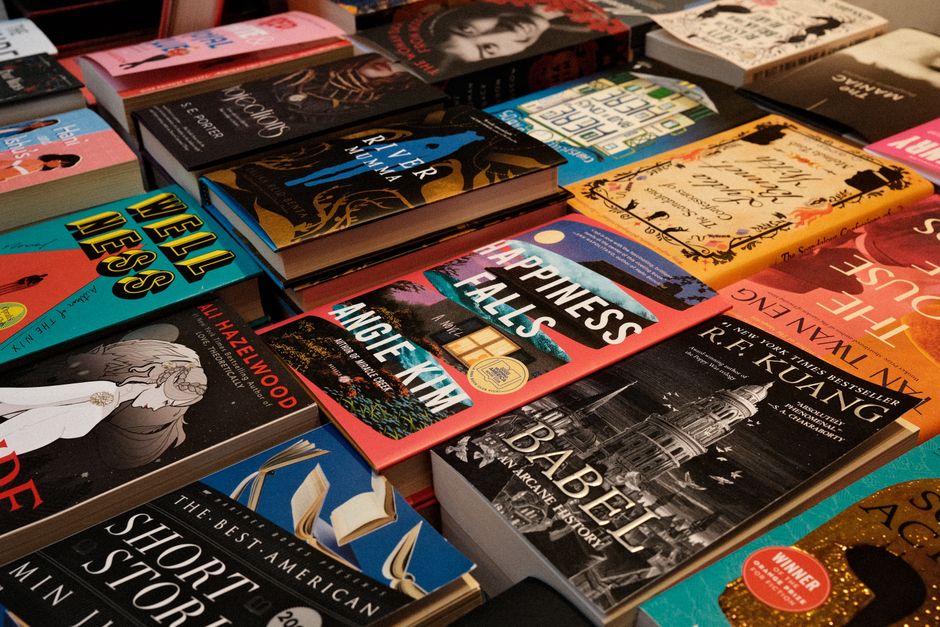
Walk into any major bookstore today, and you will see the physical manifestation of this digital movement. Prominent tables and entire sections are now dedicated to “Popular on BookTok.” This isn’t just clever marketing; it’s a necessary response to a consumer base that now walks in asking for books they saw on their phones moments before. The digital world is directly dictating the layout of physical retail space.
The Culture and Language of the Digital Bookshelf
BookTok is more than a marketing engine; it’s a sprawling collection of micro-communities, each with its own shorthand and shared values. These communities are built around specific genres and literary tropes, creating a highly efficient system for reader discovery.
Speaking in Tropes
Tropes are the unofficial language of BookTok, allowing users to quickly identify the narrative experiences they crave. This shared vocabulary has become a powerful tool for recommendation:
- Grumpy x Sunshine: A dynamic featuring a moody, pessimistic character paired with an optimistic, cheerful one.
- Forced Proximity: A scenario where characters are forced into close quarters, often against their will, accelerating their relationship.
- Found Family: A core theme where a group of unrelated characters form their own deep, supportive family unit.
- Morally Grey Anti-Hero: A protagonist who operates outside traditional ethics, beloved for their complexity and questionable choices.
The Hidden Costs of Viral Curation
Despite its democratizing power, the BookTok phenomenon raises valid concerns. The very mechanisms that make it so effective can also create a restrictive environment for both authors and readers.
The algorithm’s preference for high-emotion, easily digestible content can lead to a narrowing of popular taste, promoting books that fit a specific viral formula while ignoring more nuanced or challenging works. This creates an ‘echo chamber of tropes,’ where readers are served an endless diet of similar stories. Furthermore, the intense spotlight can be a double-edged sword for authors, who face immense pressure to engage online and sometimes become targets of intense backlash if their work is misinterpreted or fails to meet the community’s expectations.